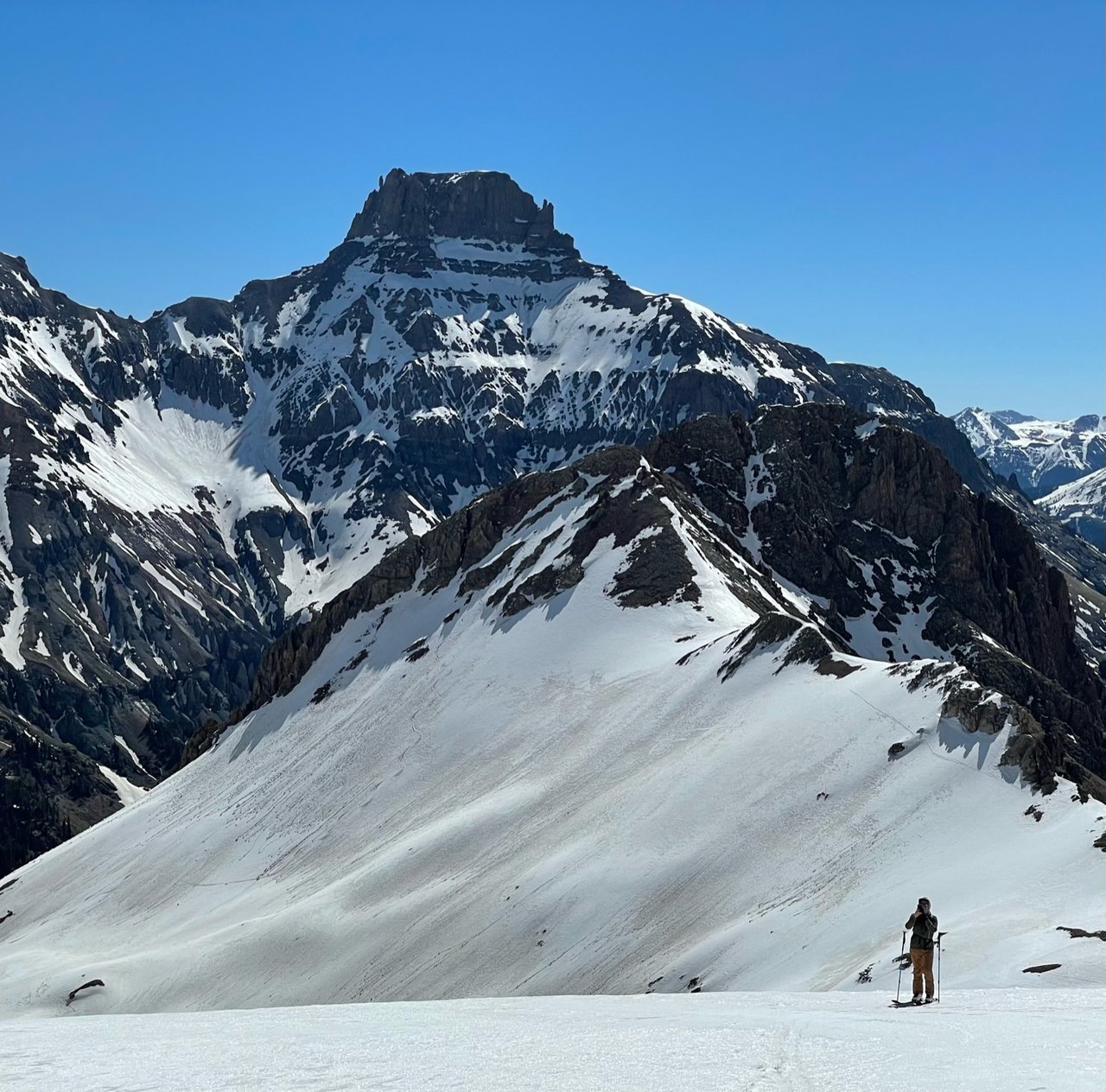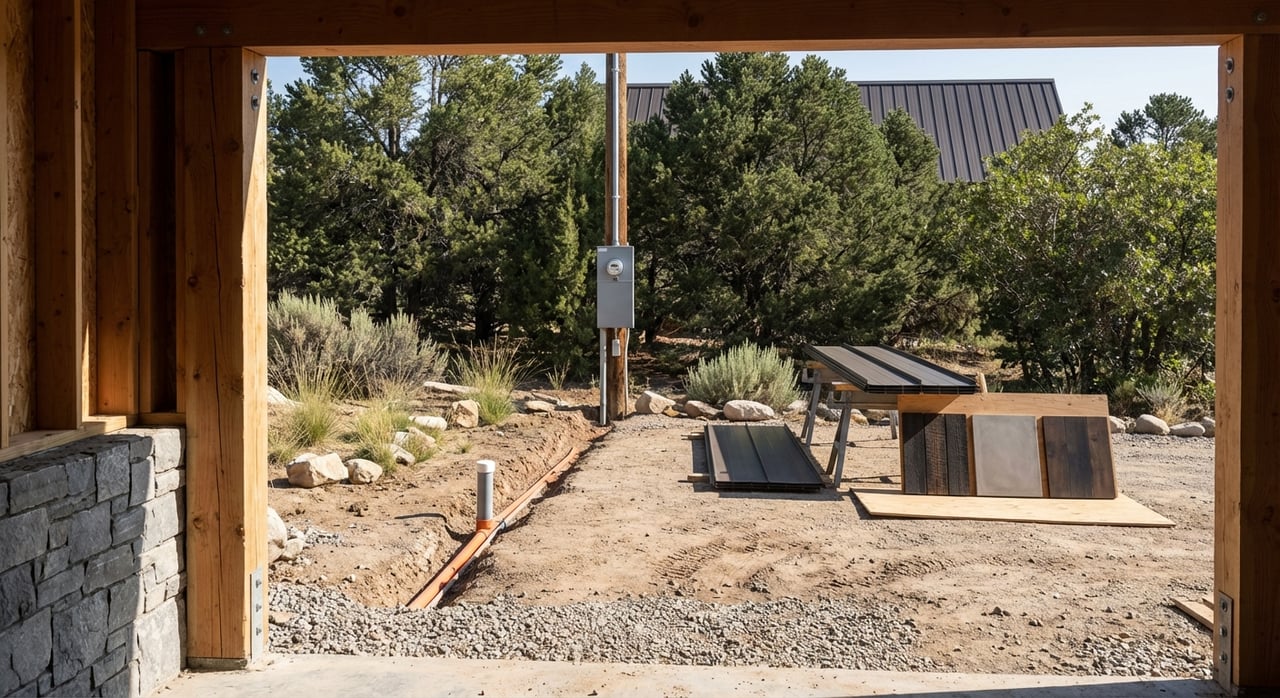
Dreaming about a mountain‑modern home on Loghill Village’s high mesa with big‑sky views and crisp alpine air? Building here rewards you with privacy, light, and year‑round scenery, but the mesa’s elevation, utilities, and county rules make planning essential. In this guide you’ll learn how to evaluate a lot, line up water and power, navigate permits, and design for snow and wildfire. You will also get a clear checklist to move from idea to build. Let’s dive in.
Start with the right lot
Choosing the right site on Log Hill Mesa sets the tone for your entire project. Ouray County urges buyers to review recorded documents and verify buildability before they commit. The county’s helpful Before You Buy or Build guide explains what to confirm and which records to request.
Recorded documents and covenants
Ask for the recorded plat, legal description, and any covenants or architectural review guidelines. Many Loghill filings have private exterior standards or an ARB process, which are enforced privately, not by the county. Verify setbacks, easements, and any building envelope on a current survey.
Access and roads
Confirm whether your road is county‑maintained or private. Ouray County Road & Bridge maintains many mesa roads and publishes winter plans for plowing, but private roads often rely on owner agreements. If access or a driveway does not meet county standards, you may need upgrades before a building permit is issued. Check maintenance details with Ouray County Road & Bridge.
Water and sewer realities
Water service varies by location on Log Hill Mesa. Many lots are served by Dallas Creek Water Company; others connect to regional supplies or require a private well. Always get written confirmation from the water provider about tap status, capacity, hookup fees, and timelines. Review tariffs and tap details directly with Dallas Creek Water Company. For wastewater, most lots use on‑site septic systems that require county permits and site testing. Order a soils and percolation review early to confirm feasibility.
Easements and surveys
Expect utility and access easements across many parcels. The county notes that plats may not show setbacks or buildable envelopes with precision. Protect yourself with a current, stamped survey and a title review before closing. The Before You Buy or Build guide highlights these risks and how to verify them.
Topography, soils, and wildfire
Steeper escarpment lots can deliver dramatic views, but they often require more grading and engineered foundations. Ouray County requires professional engineer inspections and stamped reports for footings and caissons on permitted projects. Juniper and ponderosa vegetation is common on the mesa, and wildfire mitigation rules apply, so plan defensible space into your site plan from day one.
Utilities and services to line up
A smooth build depends on clear utility confirmations and schedules. Do not assume anything based on a listing note.
Water providers and taps
For Dallas Creek Water, confirm whether a tap is already paid or can be purchased, and ask for a written schedule and cost breakdown. If the lot is outside district service, plan for a private well with state permitting. Always get utility statements in writing. Start with Dallas Creek Water Company tariffs and tap info.
Septic and wastewater
On‑site wastewater systems require county review and a separate permit. Expect electronic submittals, review time, and site testing before your building permit is approved. See Ouray County’s Building Information for submittal expectations.
Electricity and energy
San Miguel Power Association serves much of the mesa. Some lots have electric at or near the lot line; others need extensions, transformers, or pole work. Contact San Miguel Power Association early for timelines and construction estimates. Natural gas is available in parts of the area, but many homes choose propane or all‑electric systems. Confirm gas availability with local providers or plan for a propane tank in your design.
Internet and communications
Fiber and fixed‑wireless options serve portions of Loghill and Ridgway. Confirm whether fiber is at the lot line, if buried service is in place, or if fixed‑wireless or satellite is the better fit. Begin with regional fiber availability through Clearnetworx.
Other services
In unincorporated areas, trash and recycling are handled by private haulers, and mail may route to kiosks. Ask neighbors and your broker for reliable vendors once you select a lot.
Permits, codes, and wildfire rules
Ouray County’s building process is digital and detailed. Understanding the rules upfront saves time and change orders later.
Permitting and inspections
Ouray County uses paperless submittals through CloudPermit and enforces the 2018 IBC and IECC. Foundations that involve footings or caissons must be inspected and certified by a licensed engineer, with a typed and stamped report submitted to the building official. Expect electronic plan reviews and schedule a pre‑application conversation early through the county’s Building Information page.
Structural design criteria you must use
Your architect and engineer must design to county‑published criteria. Examples include elevation‑based roof snow loads such as 38.5 psf for 7,000 to 7,500 feet and 46.9 psf for 7,500 to 8,000 feet; a minimum basic wind speed of 90 mph 3‑second gust (115 mph ultimate); a frost depth of 36 inches; and a seismic design category of C. Confirm your lot’s exact elevation and required inputs using the county’s Climatic and Geographical Design Criteria. Getting the correct roof snow load for your specific site is non‑negotiable.
Wildfire mitigation and visual impact
Ouray County’s Land Use Code includes Section 16 for wildfire mitigation that affects siting, defensible space, and some building details. The county also provides visual impact guidance that can influence roof and exterior color palettes. Coordinate early with the county planner and the Log Hill Mesa Fire Protection District about access, turnouts, and hydrant or tank locations. Review the Land Use Code and wildfire section and find fire district contacts via the Log Hill Mesa Fire Protection District notice.
Design for the mesa climate
Mountain‑modern on Log Hill Mesa rewards smart responses to sun, wind, and snow. Think robust snow management, clipped or moderated eaves where appropriate, high‑performance windows oriented for winter light and summer shade, and durable exterior materials such as stone, fiber‑cement, and metal roofing. Keep color palettes and massing aligned with local visual standards and any subdivision covenants to reduce visual contrast.
Timeline and budget drivers
Building at elevation means weather windows and delivery schedules shape your calendar. Allow time for design, county review, and utility coordination, plus material lead times and subcontractor availability.
A typical sequence
- Due diligence and survey
- Architect and structural engineer design
- County pre‑application and permit submission
- Septic and well approvals or water tap coordination, then site work
- Foundation or caisson work with engineer inspections and reports
- Framing, rough‑in inspections, finishes
- Final inspection and certificate of occupancy
The county advises meeting a planner and building official early to avoid surprises. Expect several months from permit submission to full approvals depending on complexity and completeness.
Common cost drivers
- Site prep that includes grading, erosion control, tree work, or retaining walls on sloped or escarpment lots
- Foundation type, including caissons or deep footings that require engineer oversight
- Utility extensions such as electric transformers or poles, water main connection or well drilling, and a septic system
- Fire‑resilient materials, ember‑resistant details, and required defensible‑space mitigation under county rules
How to vet your build team
Choosing the right team is as important as choosing the right lot. Focus on local experience, clear scopes, and transparent controls.
- Ask for proof of insurance and, if applicable, bond status.
- Request recent Log Hill references and visit completed homes or active sites with similar conditions.
- Review subcontractor lineup and who manages procurement in a remote market.
- Require a formal change‑order process and include a 10 to 15 percent contingency in the budget.
- Confirm experience with local soils, frost, snow loads, and wildfire‑resilient construction.
- Tie progress payments to inspections and deliverables, and collect lien releases.
- Verify contractor permit history with the county’s Building Information resources.
Quick buyer checklist
- Get the recorded plat, legal description, CC&Rs or ARB guidelines, any road maintenance agreements, proof of paid water taps, and a current survey. Review the county’s Before You Buy or Build guide.
- Confirm your lot’s elevation and use the county snow load, wind, frost, and seismic criteria for the structural brief. Order a geotechnical report and a septic feasibility review using the Climatic and Geographical Design Criteria.
- Call Dallas Creek Water and San Miguel Power for written hookup confirmations, schedules, and cost estimates. Ask about fiber or fixed‑wireless availability for the exact lot. Start with Dallas Creek Water and SMPA.
- Verify whether the access road is county‑maintained or private and coordinate with the fire district on access and defensible space. See Road & Bridge and the fire district notice.
- Meet a county planner and the building official early. Submit through CloudPermit, plan for engineer‑inspected foundations where required, and keep approvals tied to your project schedule. Check Building Information.
Building in Loghill Village is rewarding when you plan for elevation, infrastructure, and local rules from the start. With clear due diligence, a strong design team, and early coordination with the county and utilities, you can bring a mountain‑modern vision to life on Log Hill Mesa with confidence. If you are weighing lots or want a second opinion on feasibility, connect with Amanda F Swain for concierge guidance and introductions to trusted local resources.
FAQs
What permits do I need to build in Loghill Village?
- Ouray County requires electronic plan submittals through CloudPermit and enforces the 2018 IBC and IECC, with engineer‑certified foundation inspections as outlined on the county’s Building Information page.
How do I confirm water service for a Log Hill Mesa lot?
- Contact the specific provider and get written confirmation of tap status, availability, fees, and schedules; many lots are served by Dallas Creek Water Company.
What snow load should I design for in Ouray County?
- Use the county’s elevation‑based table and verify your lot’s exact elevation; see the Climatic and Geographical Design Criteria.
Do most Loghill Village homes use septic or sewer?
- Most lots rely on on‑site wastewater systems that require county permits and site testing; confirm feasibility early through the county’s Building Information.
Who provides electricity on Log Hill Mesa?
- San Miguel Power Association serves much of the mesa; verify whether your lot needs a service extension, transformer, or pole work.
How do wildfire rules affect my design and site plan?
- Ouray County’s Land Use Code includes Section 16 for wildfire mitigation that shapes siting, defensible space, and some construction details; review the Land Use Code and coordinate with the Log Hill Mesa Fire Protection District early.