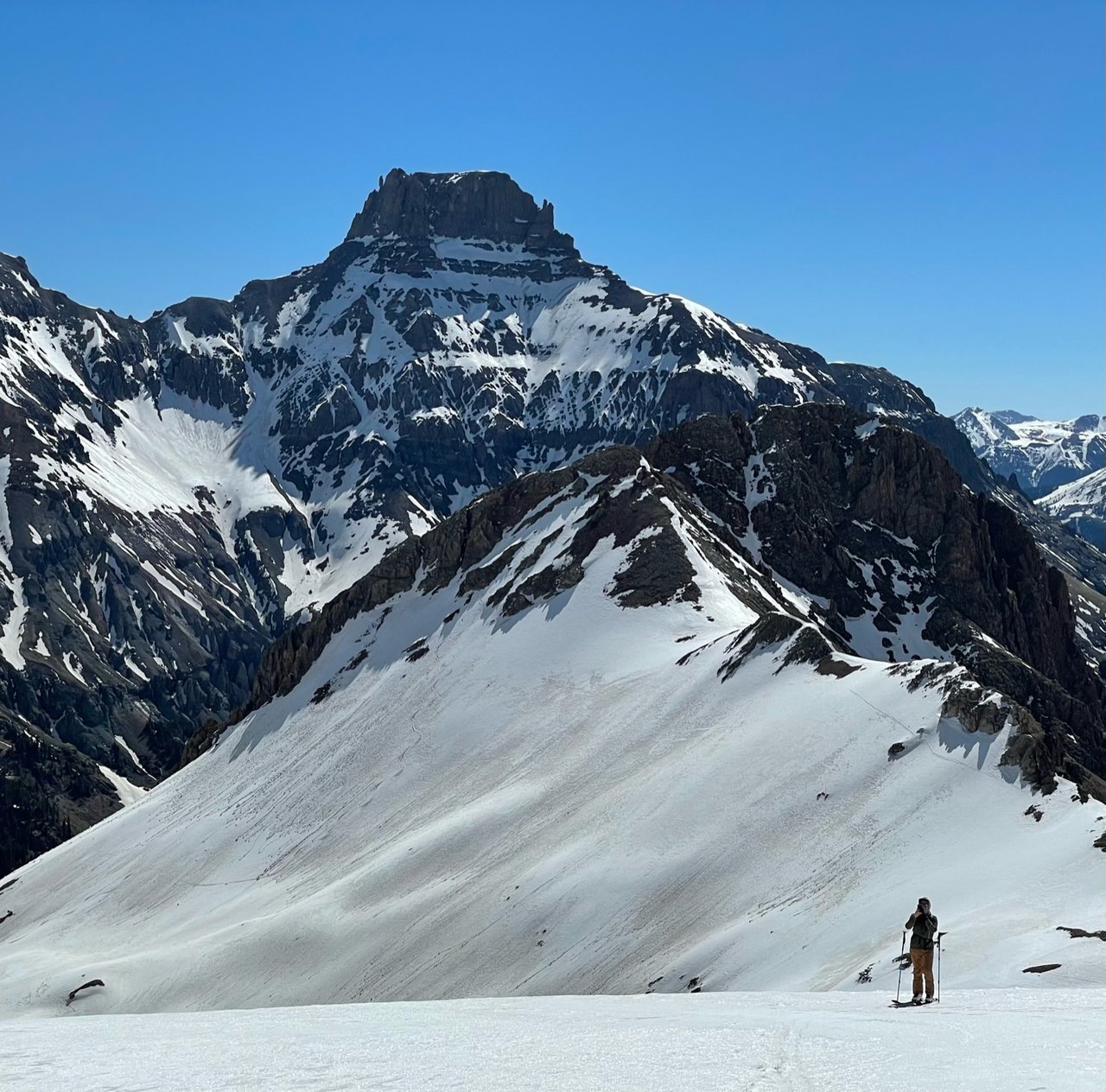
Picture your own mountain basecamp or small ranch tucked into the San Juan Mountains, with big-sky views and trail access minutes away. If you are exploring acreage near Placerville in San Miguel County, you likely want privacy, recreation, and long-term value. In this guide, you will learn the site realities that shape buildability and use, the permits to plan for, and a smart due diligence path to protect your investment.
Why Placerville acreage appeals
Placerville sits along the CO 145 and CO 62 corridor in western San Miguel County, about 16 to 19 driving miles from Telluride depending on the route. That mix of resort proximity and rural setting supports both recreational tracts and working-acreage options. Public lands and high-country access nearby add year-round value for hiking, hunting, and over-snow exploring. You can preview the variety of nearby routes and terrain by browsing the area’s nearby high-country roads and trails.
Parcel types and land realities
Size and use patterns
You will find a full continuum of options near Placerville. Village-scale lots cluster along the valley floor, 35 to 40 acre recreational tracts are common on benches and mesas, and there are larger operational ranch holdings. Different sizes change expectations for roads, utilities, and permitting, so confirm allowed uses early in the county’s Land Use Code.
Slopes, soils, and wetlands
At roughly 7,300 to 7,400 feet in the valley, surrounding parcels rise quickly to alpine benches and ridgelines. Steep slopes, shallow soils, and bedrock near the surface are common and can affect driveway engineering, foundation design, and septic feasibility. Parcels near the San Miguel River or creeks may include wetlands or floodplain areas that trigger setbacks and added reviews under county rules. This geology-driven variability is why a site visit and soils evaluation are critical before you assume buildability.
Minerals and title items
Placerville’s mining history means some parcels have reserved mineral rights or historic claims. That can influence surface use or, in rare cases, remediation responsibilities. Always order a full title report and ask the examiner to flag mineral reservations and recorded encumbrances, and use the county recorder to review documents alongside the Land Use Code.
Access and road due diligence
Road class and permits
Start by confirming how the driveway connects to the public network. A new connection to a county road will require a county driveway/access permit, while direct access from a state highway will need a CDOT access permit. You can review submittal paths and forms on the county’s Applications and Permits portal.
Winter access and maintenance
Many rural roads require high-clearance or 4WD in winter, and some private routes are only plowed when neighbors share costs. If the property is accessed by private roads, ask for written maintenance agreements that cover snowplowing, resurfacing, and culverts. San Miguel County’s Road and Bridge FAQs can help you understand seasonal maintenance patterns so you can plan for vehicles, fuel, and equipment.
Legal access and easements
Never assume access is legal just because a two-track exists. Verify a recorded easement that runs with the land, and request all road maintenance agreements if the route is private. If there is no recorded, insurable access, treat the purchase as high risk until a legal solution is secured.
Power, water, septic, internet
Electricity
Most area parcels are served by San Miguel Power Association, a rural electric cooperative. Line extensions, transformer siting, and clearances can add cost in remote locations, so confirm feasibility and timelines with SMPA during due diligence. Their construction handbook outlines service rules and member responsibilities.
Water wells and rights
In Colorado, every new groundwater diversion requires a well permit from the State Engineer. For Placerville, Water Division 4 (Montrose) oversees permitting and well records. Use the Division of Water Resources well permitting page to pull nearby well logs and permit files before you assume water availability. Bedrock wells are common in the area, and yields vary widely. A county file for a Placerville well shows a depth of about 305 feet with low sustained yield, which illustrates why you should obtain completion reports and any pump-test data for the parcel and direct neighbors (example well record). Also remember that a domestic well permit is not the same as a surface water or irrigation right. If the seller represents ditch or irrigation rights, consult DWR and consider a water-rights attorney.
Septic systems
Most rural parcels will rely on an onsite wastewater treatment system. San Miguel County requires an OWTS permit, and Colorado’s Regulation 43 sets technical standards. Mountain soils and shallow bedrock often lead to engineered systems such as mounds or sand filters, which can increase cost. Review the county’s OWTS permit application for submittal requirements and plan for a soils/site evaluation and engineered design.
Communications
Internet coverage varies outside valley bottoms. Many addresses use fixed wireless or satellite, and cellular coverage can be patchy. Verify address-level service and speeds, and review the county’s broadband and resiliency work for context on ongoing improvements.
Permits, zoning, taxes, wildfire
One-permit review and timelines
San Miguel County coordinates development reviews through its SmartGov system so building, driveway, and OWTS permits can be processed together. Some items, such as state electrical and plumbing, are still handled at the state level. Build a schedule that allows 30 to 60 days or more for reviews, and factor in well permitting timelines through DWR. Start at the county’s Applications and Permits portal.
Zoning and special uses
Zone districts guide what you can build and how you can use the land. Some uses such as guest ranches, lodges, or campgrounds may have minimum acreage thresholds and special use reviews. Confirm the parcel’s district and any overlay standards in the Land Use Code before you model revenue or plan improvements.
Taxes and ag classification
If you hope to qualify for agricultural valuation, verify current county requirements and evidence thresholds. You will need to document productive use such as grazing or hay and confirm classification with the assessor. Always pull the parcel’s assessor card and current mill levy during due diligence.
Wildfire and insurance
Many Placerville-area parcels sit in or near the wildland-urban interface. Review the county’s All-Hazard Mitigation Plan and CWPP materials to understand local priorities for defensible space, egress routes, and mitigation programs. Ask your insurer about coverage and pricing for the specific site, and budget for fuels reduction as part of ownership.
Investment and resale outlook
Proximity to Telluride can support upside for well-improved parcels that solve for water, septic, and reliable access. Buyers place a premium on permitted driveways, proven wells, engineered OWTS approvals, and power plans that include backup options. At the same time, you should present the realities clearly. Steep terrain, wildfire exposure, and variable internet can shape both costs and timelines, so strong due diligence is part of protecting long-term value.
Buyer checklist for Placerville acreage
Use this concise list as your working plan:
- Pull the county parcel record, assessor card, and any recorded documents. Start with the Land Use Code for zoning and use standards.
- Confirm access. Request recorded easements, any HOA or private road agreements, and county driveway files. Review seasonal patterns using the Road and Bridge FAQs.
- Wells and water. Ask for the parcel’s well completion report and any pump test. If missing, pull neighboring logs on the DWR well permitting page and consider a hydrogeologic consult.
- Septic and soils. Request prior OWTS permits or designs. If not available, order a soils/site evaluation and be prepared for an engineered system per the county OWTS permit application.
- Power. Contact SMPA about line-extension feasibility, transformer capacity, and timelines using the construction handbook as a reference.
- Wildfire. Pull CWPP maps from the county’s All-Hazard Mitigation Plan and CWPP materials and consult the local fire district on mitigation and egress.
- Minerals and title. Order a full title report that flags mineral reservations, claims, easements, and any conservation restrictions.
- Broadband and cell. Verify address-level options and speeds, and reference the county’s broadband and resiliency work for context.
- Recreation adjacency. If hunting or OHV use is a priority, confirm boundaries and nearby trail systems with resources like nearby high-country roads and trails.
First calls and a simple timeline
- Week 1: Engage a local broker and order a title report. Call San Miguel County Planning about development and access permits using the Applications and Permits portal.
- Week 2: Pull well logs from DWR, request any existing septic records, and schedule a soils/site evaluation.
- Week 3: Contact SMPA for line-extension review, verify winter maintenance with the county, and request any private road agreements from the seller.
- Week 4: Review CWPP maps, discuss defensible space with the local fire district, and confirm internet options on site.
- Ongoing: Update your budget and schedule as you receive data. If red flags appear, renegotiate or extend deadlines to complete investigations.
Use cases and what to prioritize
Recreation-focused parcels
If you want a basecamp for hiking, hunting, or over-snow fun, prioritize legal access and winter usability. Verify driveway grades, snowplow logistics, and trailer turnaround space. Focus on a proven water source and an OWTS plan that fits the soils so you can add a cabin or storage without surprises.
Hobby ranch goals
For grazing or small-scale operations, water reliability and pasture access matter most. Confirm well capacity and any separate irrigation rights if represented. Review fencing lines, stock access to water, and road durability for equipment. Check zoning allowances in the Land Use Code for accessory structures and agricultural uses.
Investment hold or future build
If you plan to hold land or build later, target parcels with clear legal access, strong permitting pathways, and documented utilities. A surveyed driveway permit, a drilled and tested well, and a stamped OWTS design can improve resale value and shorten future build timelines.
Ready to evaluate a parcel?
Buying acreage near Placerville rewards careful planning and local expertise. If you want an experienced, concierge-minded advisor to coordinate due diligence, introduce vetted vendors, and manage a remote-friendly process, connect with Amanda F Swain. You will get clear next steps, market perspective, and a smooth path from research to close.
FAQs
What permits do I need to build on acreage near Placerville?
- Most projects start with a county development path through the SmartGov system, which can include building, driveway access, and OWTS permits; some items like electrical and plumbing are handled at the state level via the Applications and Permits portal.
How do I verify water availability for a rural parcel?
- Request the parcel’s well completion report and any pump test, then pull neighbor well logs on the DWR well permitting page to gauge typical depths and yields before you budget for drilling.
What should I know about septic on rocky mountain parcels?
- Shallow soils and bedrock often require engineered OWTS systems such as mounds or sand filters; review county submittals in the OWTS permit application and plan for a soils/site evaluation.
How can I confirm year-round access to a rural tract?
- Verify a recorded access easement, ask for any private road maintenance agreement, and consult county winter practices via the Road and Bridge FAQs so you understand plowing and vehicle needs.
Are wildfire risks a factor near Placerville and how do I plan?
- Many parcels are in the wildland-urban interface; review the county’s All-Hazard Mitigation Plan and CWPP materials, plan for defensible space, and check insurance availability and cost early.
Who provides power and what should I budget for?
- San Miguel Power Association serves most area parcels; remote locations may require line extensions and equipment upgrades, so confirm feasibility, costs, and timelines using SMPA’s construction handbook and a direct call with their engineering team.