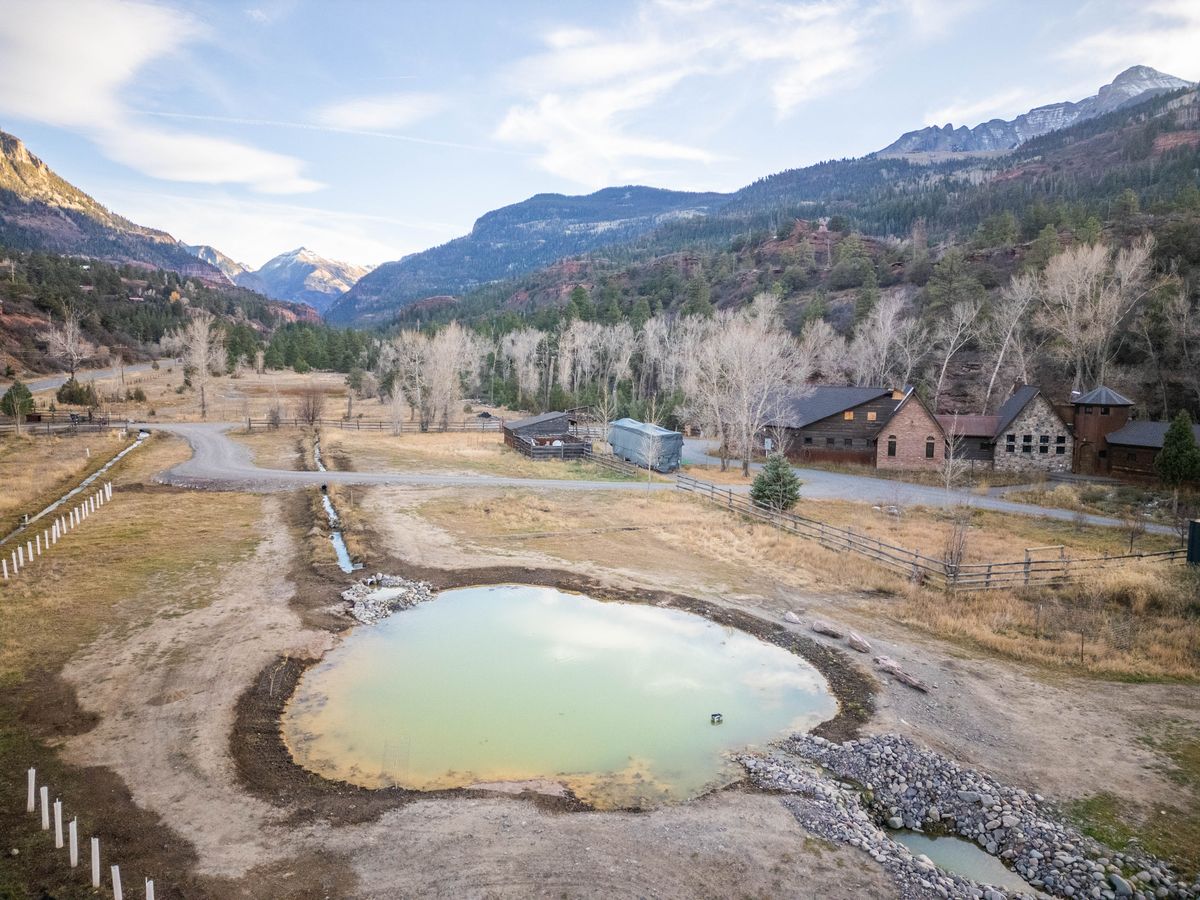
Thinking about buying acreage near Ridgway and wondering if the water will truly cover your plans? You are not alone. In Colorado, water is a separate, complex property right that can make or break a ranch, hobby farm, or view parcel. In this guide, you will learn the local basics, what to verify before you commit, and how to protect your investment in Ouray County.
Why water rights matter in Ridgway
Water supports everything from household living to irrigating a meadow. In dry years, the reliability of your supply depends on the type of right and its priority. That is why you confirm what water transfers with the land, what it allows you to do, and how stable it is during shortages. Early verification is the single most important step for acreage buyers.
Colorado water law basics you need
Prior appropriation
- Colorado follows prior appropriation, often summarized as first in time, first in right.
- Senior rights get water first in shortages. Junior rights can be curtailed when a senior places a call on the stream.
- The priority date is a key indicator of reliability, especially in drought.
Beneficial use and decrees
- Water rights are tied to a defined beneficial use, such as irrigation, domestic, stock, municipal, or storage.
- Rights are quantified and described in a water court decree or a permit/statement of appropriation.
- Changing use, point of diversion, or place of use usually requires water court approval to protect other users.
Surface water and groundwater
- Tributary groundwater that affects streamflows is managed like surface water.
- Pumping that depletes a stream may need replacement through an augmentation plan.
- Determining whether a well is tributary or non-tributary can require technical analysis.
Domestic exempt wells
- Colorado’s domestic well exemption commonly allows up to 15 gallons per minute and 1 acre-foot per year for a single household under CRS 37-92-602(4)(a).
- Exempt wells have strict limits. They do not automatically cover multiple dwellings or expanded uses.
- Exempt wells are not guaranteed everywhere. Local basin rules or prior calls can affect permitting.
Augmentation plans
- New wells or expanded pumping that could injure senior surface rights often require an augmentation plan.
- Augmentation replaces depletions so junior uses can continue during shortages.
Common local water sources
Ditch shares
- Many local acreages rely on historic ditch systems where water is owned as shares in an irrigation or ditch company.
- Shares usually come with annual assessments, infrastructure like headgates and laterals, and recorded easements.
- Shares can be detached from the land. Confirm whether the sale includes them and how they are conveyed.
Reservoir storage
- Ridgway Reservoir and other storage projects influence seasonal releases and downstream deliveries on the Uncompahgre system.
- Storage water rights are distinct from direct diversion rights. They have their own decreed uses, capacities, and priorities.
On-site wells
- Many small acreages use domestic exempt wells, when permitted.
- Shared wells appear in rural subdivisions and raise issues around ownership, capacity, and maintenance.
- Larger or multiple-residence uses can exceed exempt limits and trigger augmentation or additional permitting.
Stock water and special rights
- Livestock watering rights may have different priorities and decree language.
- Verify domestic and stock uses separately where both are claimed.
Due diligence: what to ask and where to look
Ask the seller for documentation
- Deeds and title references that show whether ditch shares, storage, or well easements convey.
- Written evidence of historical water use, including irrigation records, acreage irrigated, and delivery history.
- Ditch company assessments, receipts, and any rotation schedules.
- Well permit number, well log, pump test results, recent servicing, and installation date.
- Any augmentation plan, change decree, or water court case connected to the property.
Run the public searches
- County Clerk and Recorder for water-related deed records and share conveyances.
- Colorado Division of Water Resources for water right abstracts and administration questions via the local basin office or water commissioner.
- Colorado Water Courts for decrees, adjudications, changes of use, and augmentation plans tied to the property or ditch.
- Colorado Geological Survey’s Ground Water Information Center for well logs and well permit data.
- Local ditch or irrigation companies for historical deliveries, share counts, bylaws, and assessed fees.
- County planning and sanitation for rules on wells, on-site wastewater, and subdivision limits tied to water supply.
Hire the right specialists
- Water rights attorney to verify conveyance language, priorities, decreed uses, and any pending cases.
- Water resources engineer or hydrologist for well yield analysis, tributary determinations, or augmentation needs and costs.
- Licensed well driller or pump tester for capacity and water quality confirmation.
- A title company experienced with water rights to ensure proper transfer and endorsements.
Risks to watch in Ouray County
Water right not transferring
- Ditch shares may be severed from the parcel. Confirm that shares are included and properly conveyed.
Seniority and drought exposure
- Junior rights can be curtailed during dry years. Ask for the priority date and compare it to local senior rights.
Unpermitted or undocumented wells
- Wells without a valid permit or log can trigger corrective action. Unpermitted uses may require retroactive fixes or augmentation.
Added units or commercial plans
- Subdividing, creating rentals, or commercial operations may exceed exempt well allowances and require additional water rights or an augmentation plan.
Shared well governance
- Informal shared systems can lead to disputes. Verify written agreements and long-term maintenance responsibilities.
Ditch infrastructure condition
- Aging headgates or pipelines can require capital repairs or lead to special assessments. Review recent ditch company statements or minutes if available.
Regulatory constraints
- Basin rules, water court cases, or special districts can affect your use. Confirm status with the state and county before you commit.
Timeline and checklist for buyers
Early stage, before you offer
- Ask the seller for all water documentation, including ditch share details and well records.
- Run a title commitment that specifically addresses water and ditch shares.
- Search water right abstracts and water court records for decreed uses and priority dates.
- Pull GWIC well logs for any on-site well.
Under contract, prior to closing
- Engage a water rights attorney to review decrees, conveyance language, and any pending cases.
- Order a professional well evaluation and confirm the permit supports your intended use.
- Request a written statement from any ditch company on delivery history, share counts, and outstanding assessments.
- Confirm whether the parcel sits in a water or sanitation district and whether accounts are current.
- If you plan changes, such as additional dwellings or increased irrigation, get an engineer’s feasibility opinion on augmentation needs and costs.
After closing
- Record any transfer of ditch shares and update shareholder lists with irrigation companies.
- For shared wells, formalize ownership and maintenance agreements in writing.
- Keep copies of deeds, permits, logs, and ditch statements with your property records.
Plan your property’s water use
Start with the end in mind. Outline what you expect to do in year one and in future phases then match those plans to the existing water portfolio on the parcel. If there is a gap, get early guidance on acquiring additional rights, joining an augmentation plan, or adjusting the plan to fit the water.
Looking at acreage around Ridgway and Ouray and want step-by-step guidance on a specific property? Reach out for local insights, vendor introductions, and a clear path from offer to close. If you value concierge-level service and precise due diligence, partner with Amanda F Swain.