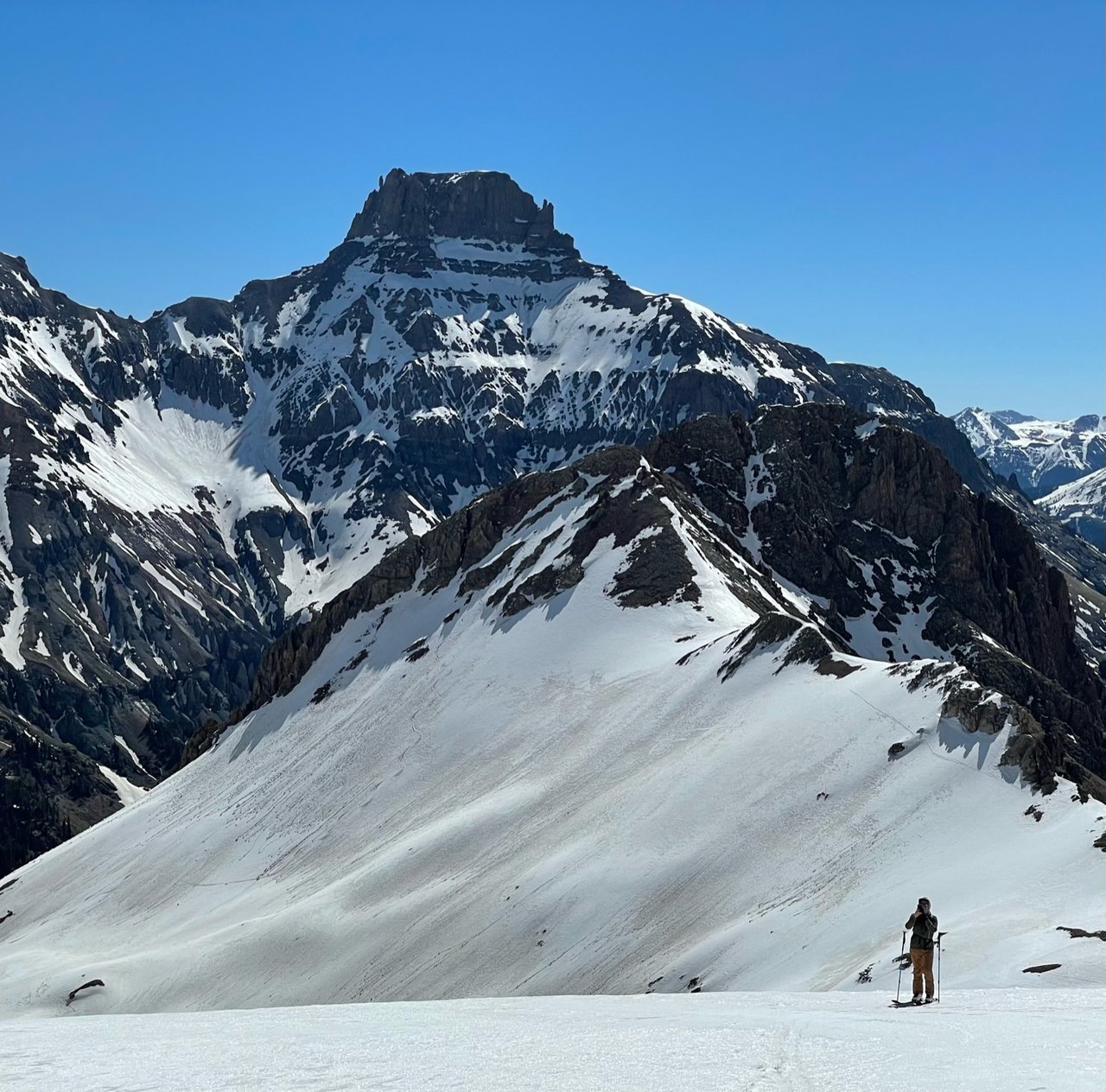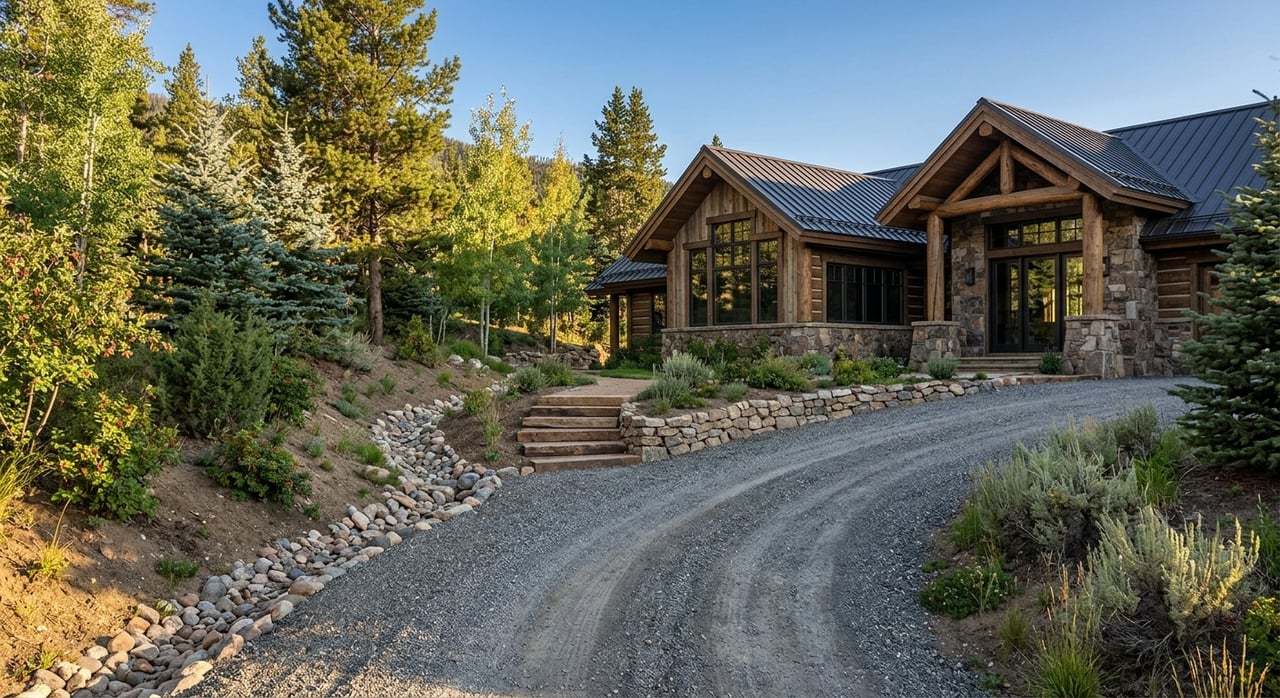
Wondering why one Loghill Village lot feels effortless while another becomes a long list of design and access challenges? On Log Hill Mesa, a beautiful homesite is not just about the view. You also need to think about slope, trees, roads, utilities, wildfire planning, and HOA review. If you want to choose a parcel with confidence, this guide will help you compare the factors that matter most and ask better questions before you commit. Let’s dive in.
Start With the Land Itself
In Loghill Village, two parcels with similar acreage can live very differently. The area sits at about 7,881 feet, roughly 832 feet above Ridgway, and that elevation shift can affect wind, snow, driveway grades, and sight lines.
That is why your first step should be to evaluate the lot in person. A parcel that looks simple on paper may feel much steeper, more wooded, or more exposed once you walk it.
Check Views and Lot Orientation
Views are often a big reason buyers look at Loghill Village in the first place. But on this mesa, tree density and lot orientation can change the experience dramatically from one homesite to the next.
Do not rely only on listing photos or county parcel maps. County GIS and parcel tools are reference products only, not legal boundary documents, so you should walk the lot and verify where the open view corridors actually are.
Consider Tree Cover and Privacy
More trees can create a stronger sense of privacy, but they can also limit mountain views and affect where you place the home. In some Loghill Village units, removing live trees taller than 8 feet requires Architectural Control Committee approval.
That means a homesite with heavy tree cover may not offer as much flexibility as you expect. If your goal is a specific view, outdoor living setup, or solar exposure, it is smart to understand those limits early.
Compare Slope, Grading, and Drainage
Some of the most attractive lots in mountain communities are also the most complex to build on. In Loghill Village, grading requires written approval, and approval may come with drainage requirements such as culverts at the owner’s expense.
Ouray County’s hazard planning also notes that steep topography contributes to debris-flow and landslide risk in sloping areas. In practical terms, slope is not just a design detail. It can affect cost, construction timing, driveway layout, and long-term maintenance.
Ask What the Driveway Will Require
A dramatic homesite can lose its appeal quickly if the driveway is hard to build or difficult to use in winter. Because lot elevations, grades, and road connections vary on Log Hill Mesa, access should be part of your lot review from the beginning.
When you visit a parcel, pay attention to how a driveway might enter the site, how steep it may need to be, and whether snow or runoff could become an issue. This is especially important if you are buying from out of town and need a property that works well year-round.
Look for Runoff Patterns
Water movement matters in mountain terrain. A lot that appears dry on a summer showing may handle snowmelt and storms very differently.
As you walk the parcel, look for swales, low spots, erosion signs, and natural drainage paths. If the lot has meaningful slope, builder or civil engineer input can help you understand whether the site is truly build-ready or just visually appealing.
Evaluate Road Access Carefully
Road access is one of the most important homesite factors in Loghill Village. Ouray County Road & Bridge specifically notes that it maintains highly traveled dirt and gravel roads on Log Hill Mesa, which makes year-round access a real consideration.
Before you move forward, confirm whether the parcel is served by a county-maintained road or a private road. You should also ask how snow removal works and whether the approach allows enough room for construction vehicles, delivery trucks, and emergency access.
Confirm Address and Driveway Logistics
Ouray County uses address and driveway applications, so access design is not something to leave until after closing. If a lot needs a new driveway or a more complex entrance, it is worth understanding that process early.
For remote buyers especially, this is a major due-diligence item. A parcel can look ideal in photos but still create delays if access planning is more involved than expected.
Verify Water, Wastewater, and Utility Basics
Utility questions should be answered before you fall in love with a parcel. Loghill covenants state that a domestic water supply system was built to serve each lot, and Dallas Creek Water Company provides domestic water on Log Hill Mesa.
That said, you still need to confirm the details for the specific parcel. Water tap status, service line location, septic feasibility, and utility easements can all affect your build plan.
Confirm Water Service Details
Do not assume that nearby service means every lot is equally simple. Ask for clarity on tap status and where the service line is located for the parcel you are considering.
Those answers help you understand both timing and site planning. They can also shape where the home, driveway, and outdoor spaces make the most sense.
Check Septic Feasibility Early
The covenants require sewage systems to comply with county and state standards, and Ouray County routes septic permits through CloudPermit. If you are serious about building, wastewater feasibility should be checked before your earnest-money deadline.
This matters even more on lots with slope or design constraints. A beautiful building envelope can become much less flexible if the septic layout limits your options.
Factor In Wildfire and Defensible Space
Wildfire planning should be part of lot selection in Loghill Village from day one. Ouray County’s 2025 risk assessment says Loghill Mesa has done extensive mitigation work, and county emergency planning notes that Loghill Mesa has been part of Firewise USA since 2012.
The county alert page also states that Stage 2 fire restrictions are in effect for all unincorporated county areas as of June 28, 2026. That makes vegetation, access, and outdoor features more than lifestyle questions. They are part of responsible site planning.
Review Vegetation With a Practical Eye
Native vegetation and a natural appearance are part of the community character, but they also require careful planning. Some units restrict open burning or new wood-burning fire pits, and tree removal may need approval.
As you compare lots, think about whether the parcel gives you enough room for defensible space and whether your outdoor living goals fit the recorded restrictions. A heavily wooded lot may feel private, but it may also require more planning to balance safety, design, and approvals.
Think About Emergency Response
Ouray County says the county is served by three fire districts, including Log Hill Fire District, and the sheriff’s office is responsible for fire protection and search and rescue in unincorporated areas. That makes emergency response and evacuation routes relevant parts of homesite selection.
You should pay attention to how a lot connects to surrounding roads and whether there appear to be limited ingress and egress options nearby. Buyers who plan to build remotely should also register for Ouray County Alerts early so they can receive evacuation, wildfire, flooding, and other critical messages.
Read the HOA and ACC Rules Early
In Loghill Village, covenants are not a minor afterthought. The HOA and Architectural Control Committee review building plans, fences, tree removal, and other site work, and those rules can shape what is realistic on a given parcel.
Ouray County Land Use notes that HOA covenant enforcement is generally a civil matter between owners and the HOA, not the county. For you as a buyer, that means the recorded covenants are part of the property itself and deserve close review before you buy.
Focus on What Affects Your Plan
If you already have a home style or site concept in mind, compare it against the rules as soon as possible. Tree removal, grading, fencing, lighting, and visual impact can all come into play.
This is especially important for buyers pursuing a custom home or a second-home retreat with strong indoor-outdoor living. The earlier you understand the review process, the easier it is to choose a lot that supports your vision.
Consider Everyday Livability
A homesite is not just a building envelope. It is also where your daily routines, recreation plans, and travel patterns will play out.
Ridgway State Park is a major nearby amenity, with three park areas, 15.6 miles of trails, and nearly 300 campsites. Loghill Village also has its own trail system, which can affect how connected, private, or active a parcel feels.
Balance Privacy and Convenience
Some buyers want a tucked-away setting with dense tree cover and minimal visibility. Others want easier access, broader views, and a stronger connection to trails or nearby destinations.
Neither is better. The right fit depends on how you plan to use the property, how often you will be there, and whether you are building a full-time residence, a second home, or a long-term investment.
Remember Rural Tradeoffs
Ouray County’s hazard plan notes that the nearest hospital is in Montrose. For many buyers, that is simply part of the rural mountain lifestyle, but it is still useful context when comparing one area to another.
If you value convenience and ease of access, weigh that alongside privacy, topography, and views. The best homesite is the one that supports your actual use of the property, not just your first impression of it.
Bring In the Right Professionals
One of the smartest ways to choose a homesite in Loghill Village is to get expert input before your due-diligence window closes. The county’s parcel and GIS data are reference-only, so a survey is the best way to confirm boundaries, easements, and setback issues.
A good sequence is usually a surveyor first, then a builder or civil engineer, then the HOA or ACC and utility providers. That order helps you answer the most important buildability questions before you get too far down the path.
Keep Your Shortlist Simple
If you want a streamlined due-diligence process, focus on four early conversations:
- A surveyor to confirm boundaries, easements, and setbacks
- Dallas Creek Water Company to verify water service details
- Ouray County Land Use to discuss permits and site constraints
- The Loghill HOA or ACC to review covenant and design questions
Those discussions can quickly tell you whether a parcel is truly workable or only attractive on paper.
The Best Lot Matches Your Build Goals
The right homesite in Loghill Village is rarely just the one with the biggest view. It is the one that balances access, topography, utilities, vegetation, rules, and day-to-day livability in a way that fits your plans.
If you are buying from out of town or looking at premium mountain land, having local guidance can save you time and protect your options. When you are ready to compare parcels with a more strategic lens, Amanda F Swain can help you evaluate land with the local insight and concierge-level support this market deserves.
FAQs
What should you check first when choosing a homesite in Loghill Village?
- Start with the lot’s physical characteristics, including views, slope, tree cover, drainage, and road access, then confirm boundaries and utilities before moving forward.
Why is road access important for a Loghill Village lot?
- Road access affects year-round use, snow removal, construction logistics, deliveries, and emergency response, especially on Log Hill Mesa where dirt and gravel roads are part of the landscape.
Do Loghill Village lots have HOA or design review rules?
- Yes. Loghill Village has an HOA and an Architectural Control Committee that reviews items such as building plans, grading, fencing, and some tree removal.
How do water and septic work for homesites in Loghill Village?
- Loghill covenants state that a domestic water supply system was built to serve each lot, and buyers should still verify water tap status, service line location, and septic feasibility for the specific parcel.
Why does wildfire planning matter when buying land in Loghill Village?
- Wildfire is a major local planning factor, so buyers should evaluate defensible space, vegetation management, road connections, and whether outdoor living plans fit recorded restrictions.
Who should you contact during due diligence for a Loghill Village parcel?
- A strong early team usually includes a surveyor, Dallas Creek Water Company, Ouray County Land Use, and the Loghill HOA or ACC.