If you want a property without the full workload of a standalone mountain home, attached living in Ouray can make a lot of sense. You may be looking for a second home, a remote-friendly base, or a simpler way to enjoy town access, trails, and hot springs without worrying about as much exterior upkeep. This guide will help you understand what condo and townhome options in Ouray often look like, what “lock-and-leave” really means here, and what to check before you buy.
Why lock-and-leave fits Ouray
Ouray is a very small, high-alpine community with a limited housing supply. The county’s July 1, 2025 Census estimate shows a population of 5,265, with 3,700 housing units, an 82.5% owner-occupied rate, and a median owner-occupied home value of $739,800. In a setting like this, attached homes can offer a practical way to own in town while reducing some of the responsibilities that come with a detached property.
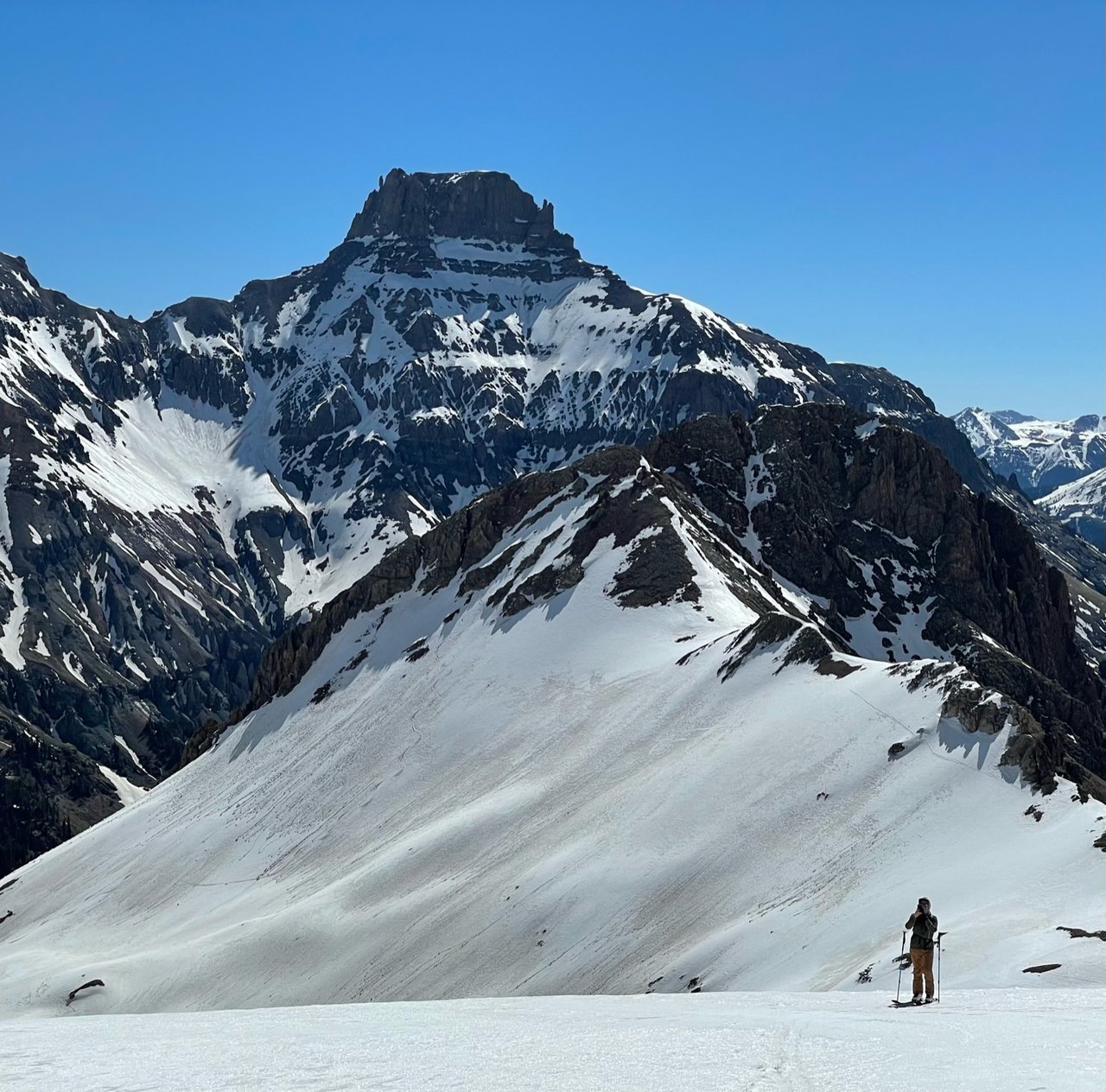
City planning materials describe Ouray as a scenic alpine setting with hot springs, parks, river corridors, and trail access. For many buyers, that combination supports the appeal of a smaller-footprint home that is easier to leave for weeks or months at a time. If your goal is to spend more time enjoying the area and less time managing a property, condos and townhomes deserve a close look.
Expect a small attached-home market
One of the most important things to know about Ouray is that attached-home inventory is usually thin. At the time of research, Zillow showed 4 condo listings in Ouray and 5 townhome listings in Ouray, while Realtor.com showed 4 condo listings in Ouray and 9 townhome listings in Ouray County. That is a helpful reminder that you are shopping in a small market, not a large master-planned area with steady, interchangeable supply.
For you, that means timing matters. A well-located condo or townhome with parking, storage, and favorable HOA terms may not sit long, especially if it suits second-home buyers or remote purchasers looking for turnkey convenience. It also means each property needs to be evaluated on its own merits rather than assuming all attached homes in Ouray function the same way.
What condos and townhomes mean legally
In Ouray, the legal structure of an attached home matters just as much as how it looks from the street. The city’s land-use code treats a condominium as a common-interest community with separately owned portions and a common-owned remainder, and it specifically regulates condominium and townhouse plats. That framework shapes what you own directly and what is shared.
In practical terms, the recorded plat and declaration tell you where your ownership begins and ends. Those documents help clarify what parts of the property are private, what areas are common, and what the association is responsible for maintaining. If you are buying from out of town, this is one of the most important parts of due diligence because the word “townhome” can describe a style, while the legal setup controls your rights and obligations.
What attached homes often look like in Ouray
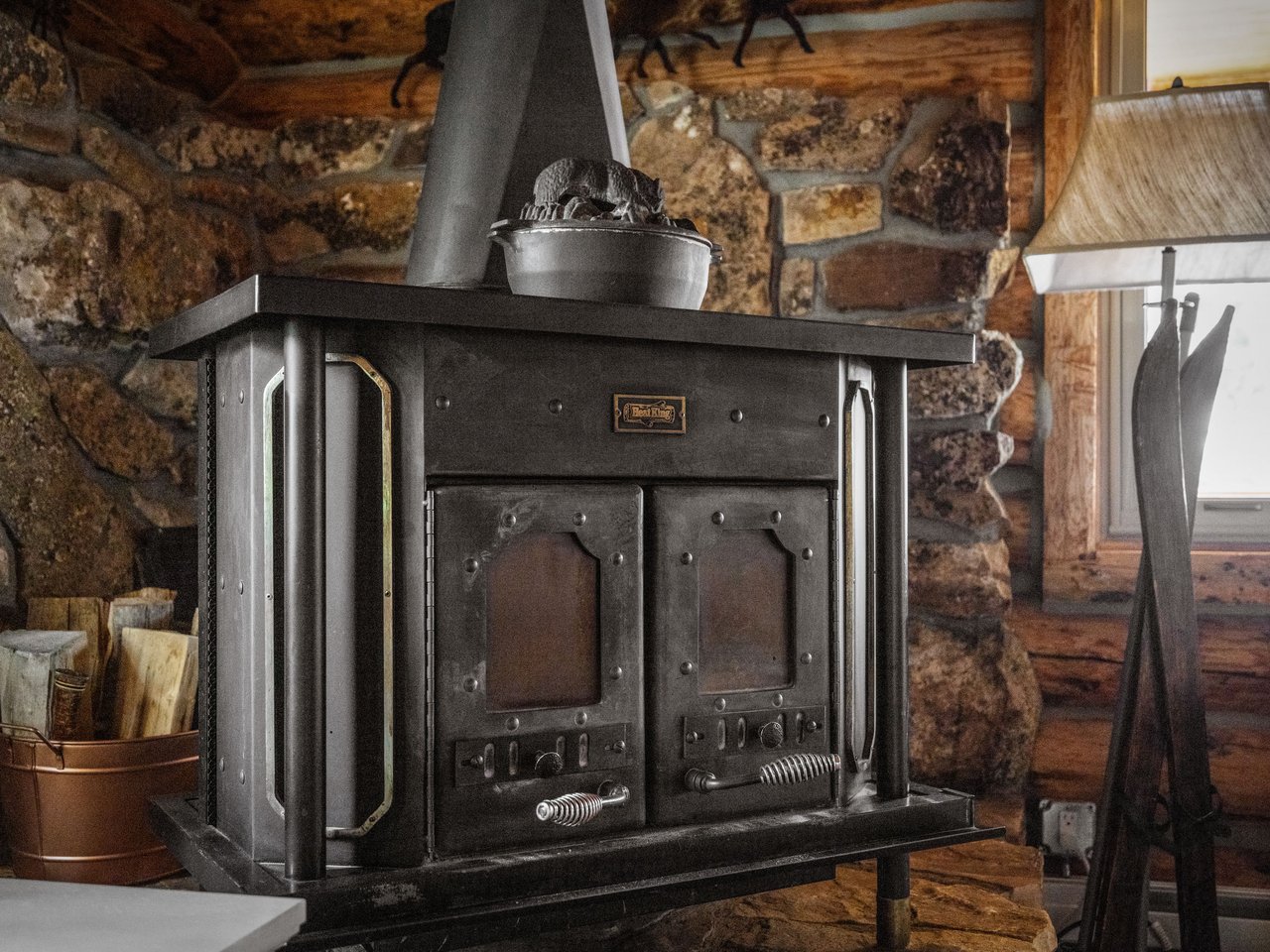
Recent public listings point to a fairly compact mountain-home profile. The current sample is mostly 2- to 3-bedroom units ranging from about 990 to 2,107 square feet. Features commonly mentioned include decks, guest parking, attached garages, fireplaces, and furnished or turnkey presentation.
That does not mean every attached property in Ouray looks the same. Still, the available listing sample suggests that many condos and townhomes here function more like efficient mountain residences than large suburban-style townhome communities. If you are hoping for easy ownership with space for gear, guests, and part-time living, that profile may be a strong fit.
Parking matters in a compact mountain town
Parking is not a small detail in Ouray. Under the city’s parking standards, multi-family dwellings require 1 space per studio or 1-bedroom unit and 1.5 spaces for 2-bedroom-and-up units. In a compact town where garages, driveways, and shared lots can be tight, that makes parking a real decision point.
As you compare options, ask whether parking is deeded, assigned, or shared. You will also want to know whether guest parking is consistently available and whether garage space, if included, is practical for your vehicle and gear. For second-home buyers in particular, simple logistics like winter parking and secure storage can have a big impact on day-to-day usability.
The real tradeoff behind low-maintenance living
A condo or townhome can reduce many exterior chores, but it does not remove ownership responsibilities. Under Colorado common-interest law, the association is generally responsible for maintenance, repair, and replacement of common elements, while each unit owner is responsible for the unit unless the declaration says otherwise. That means “lock-and-leave” is partly about shared maintenance, not total freedom from upkeep.
You should also expect ongoing HOA dues and community rules. Those can be worthwhile if they support snow removal, roof care, exterior maintenance, and shared systems. The key is making sure the services and costs align with how you plan to use the property.
Insurance and reserves deserve a close review
Insurance is another area where attached ownership can surprise buyers if they do not look closely. Colorado HOA guidance explains that common-interest communities must carry property insurance on common elements, while unit owners should carry insurance for the private portion of the unit and anything not covered by the association policy. In other words, the HOA’s policy is only part of the picture.
Reserve planning is just as important. Colorado’s reserve-study update made reserve studies mandatory for common-interest communities with major shared components, so you should ask for the latest reserve study, current reserve balance, and any special-assessment history. A property may feel low-maintenance on the surface, but weak reserves can change the financial reality quickly.
Mountain climate changes the checklist
Ouray’s climate adds another layer to the lock-and-leave conversation. County planning materials describe annual precipitation ranging from about 13 inches in the valley to as much as 40 inches in the mountains, with roughly 30% to 40% of that precipitation falling as snow. The county also notes a frost-free period of about 127 days.
For you as an owner, that climate profile makes building care more important, not less. Snow removal, roof maintenance, drainage, and freeze protection all matter when a home may sit empty for stretches of time. In a well-run association, these are exactly the issues that can make attached ownership easier, but they still need to be reviewed carefully before purchase.
Connectivity for remote buyers
If you plan to work from Ouray or spend extended time here, connectivity should be part of your search. Census data show that 90.7% of Ouray County households have a broadband internet subscription. That is a useful sign for remote buyers, but it is not a substitute for property-level verification.
Before you commit, confirm service at the specific unit and building. In smaller mountain markets, service quality can vary by location and setup. If dependable internet is central to your plans, treat it like any other core feature and verify it early.
Rental plans need local review
Some lock-and-leave buyers hope to rent the property occasionally while away. In Ouray, that requires extra diligence. The City of Ouray defines a short-term rental as a dwelling unit used for less than 30 consecutive days, and city ordinance states that all dwelling units used as short-term rentals must have a license and that no condotels exist as a use.
If the property is outside city limits, the rules are different. In unincorporated Ouray County, short-term rentals require a permit, and the county notes that the City of Ouray and Town of Ridgway have their own regulations. On top of that, the HOA may have its own rental restrictions, so it is important to confirm both the local rules and the association rules before you buy.
A smart due-diligence checklist
When you are evaluating condos and townhomes in Ouray, a few questions can save you time and reduce risk. These are especially helpful if you are buying from out of state or planning part-time use.
- What does the HOA maintain, repair, and replace?
- What parts of the property are your direct responsibility?
- Is parking deeded, assigned, or shared?
- Is storage included for skis, bikes, or seasonal gear?
- What insurance does the HOA carry, and what coverage will you need personally?
- What is the current reserve balance, and has there been any special assessment history?
- Are rentals allowed, and if so, under what HOA and local rules?
- Is internet service reliable at the unit and building level?
Those answers shape what lock-and-leave ownership really means in practice. In Ouray, that definition can vary meaningfully from one property to the next.
How to judge the right fit
The best condo or townhome for you is not just the one with the best finishes or the best view. It is the one that matches how you plan to use the property, how often you will be away, and how much complexity you want to manage from a distance. In a market as small as Ouray, details like reserves, parking, declarations, and rental rules can matter as much as square footage.
If you want a mountain base that feels simple, comfortable, and well-supported, attached housing can be a strong option here. The key is careful selection and clear due diligence. With the right property, lock-and-leave living in Ouray can offer a practical way to enjoy this remarkable alpine town with fewer moving parts.
If you are considering a condo or townhome in Ouray and want clear guidance on inventory, HOA review, and remote-buyer logistics, Amanda F Swain offers concierge-level support tailored to the San Juan Mountain market.