Want Telluride access without the constant resort buzz? Placerville gives you a quiet river valley setting with fast connections to world-class skiing, trailheads and scenic drives. If you’re picturing a basecamp where you can spread out on acreage, cast a fly after work and still make it to dinner in town, you’re in the right place. In this guide, you’ll learn how Placerville lives day to day, how you get around, what types of homes and land you can buy, and the key checks to make before you close. Let’s dive in.
Why Placerville feels like a basecamp
Placerville sits on the San Miguel River where CO 145 meets CO 62, a junction that makes it easy to reach both the Telluride valley and the Ridgway side of the San Juans. CO 62 is part of the National Scenic Byway known as the San Juan Skyway, with direct views toward the Sneffels Range and Dallas Divide. You can read more about the corridor on the overview for Colorado State Highway 62.
Typical drive times are a big reason buyers choose Placerville. You’re about 20 to 30 minutes from Telluride and roughly 30 to 40 minutes to Ridgway, depending on weather and season. Telluride Regional Airport is about a 12-mile drive, which is a practical plus if you or your guests fly in.
If you prefer not to drive every day, the SMART regional bus stops in Placerville and connects you with Telluride, Norwood and other points in the county. Check the SMART Norwood–Placerville–Telluride schedule to see how service lines up with your routine.
Where Placerville sits and how it lives
Placerville is a small, unincorporated census-designated place in San Miguel County with a 2020 population of 362. It rests around 7,300 to 7,400 feet in elevation in the San Miguel River valley and grew from early placer mining roots. Get a quick backdrop from the Placerville, Colorado overview.
The town core is small and practical. You’ll find a PO-box post office and a local general store, and you’ll likely head to Telluride or Ridgway for broader shopping, dining, fitness and healthcare. Many residents prefer this quieter rhythm, then tap into the resort energy on their terms.
Outdoor recreation in every season
River time on the San Miguel
Placerville fronts the San Miguel River, a largely free-flowing mountain stream known for trout habitat and seasonal boating. Spring brings higher flows for paddling, and summer-into-fall offers a scenic, lower-elevation fishing corridor compared with high alpine creeks. Learn about the river’s character from American Rivers’ San Miguel profile.
Trailheads, lakes and scenic drives
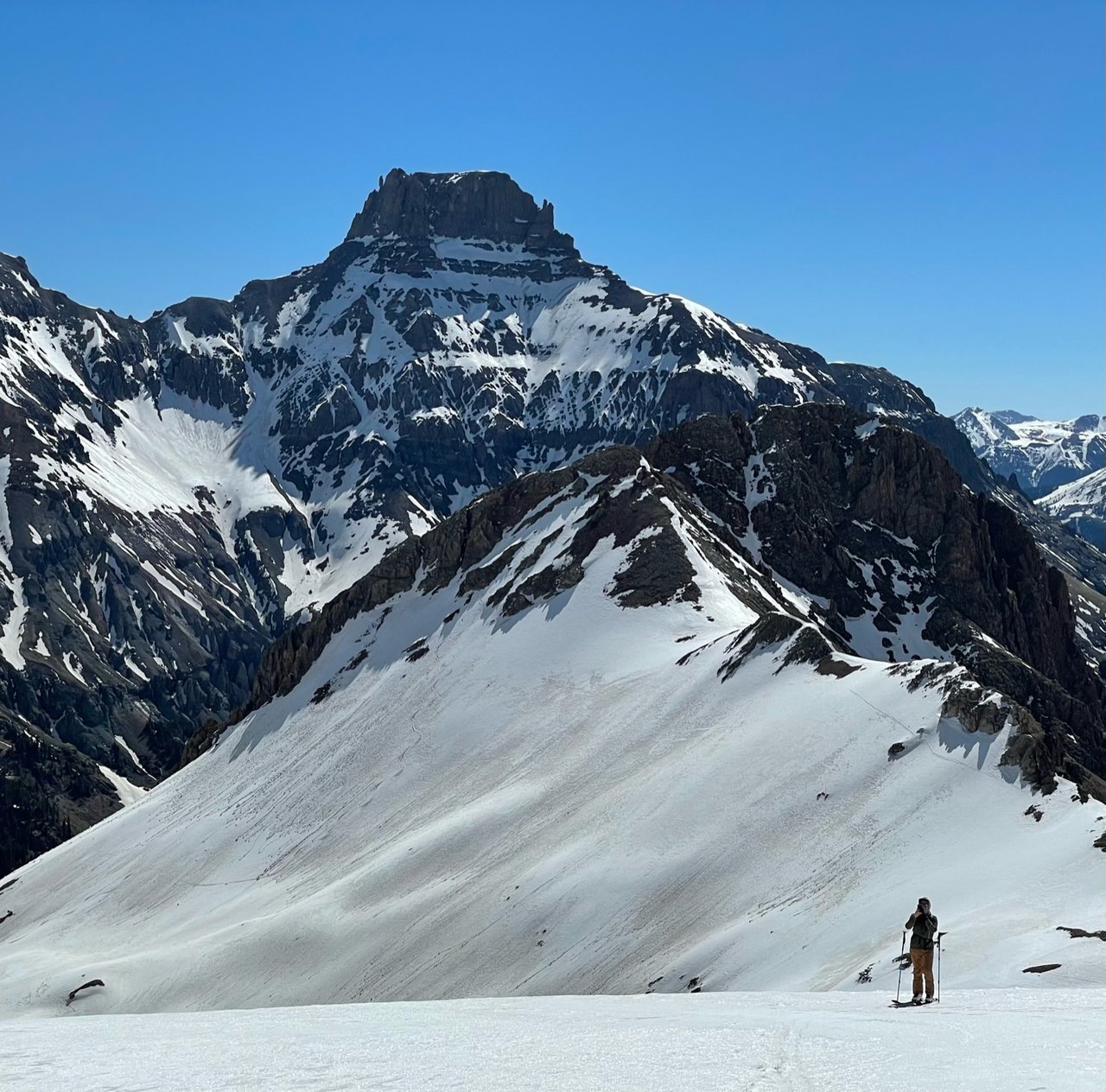
From Placerville you can reach trail systems toward Alder Creek, Deep Creek and Woods Lake, along with backcountry access points into the Uncompahgre and Mount Sneffels country. It’s a true day-trip hub for hiking, mountain biking, horseback riding and fall-color drives. For an area snapshot, visit Uncover Colorado’s Placerville page. The CO 62 segment of the San Juan Skyway also puts classic Dallas Divide vistas within an easy cruise.
Winter and shoulder seasons
Winter in Placerville is calmer than in the resort core, but you’re close to skiing in the greater Telluride area and to backcountry touring zones across the San Juan corridor. Shoulder seasons offer quiet walks along the river, wildlife viewing and early access to low-elevation trails when high passes still carry snow.
Homes and land you can find
Placerville’s inventory is diverse. You’ll see modest river cottages, small acreage homes and large ranch or estate properties on the mesas and ridgelines. Because the area mixes property types and parcel sizes, headline market numbers can swing with just a few sales.
Common options include:
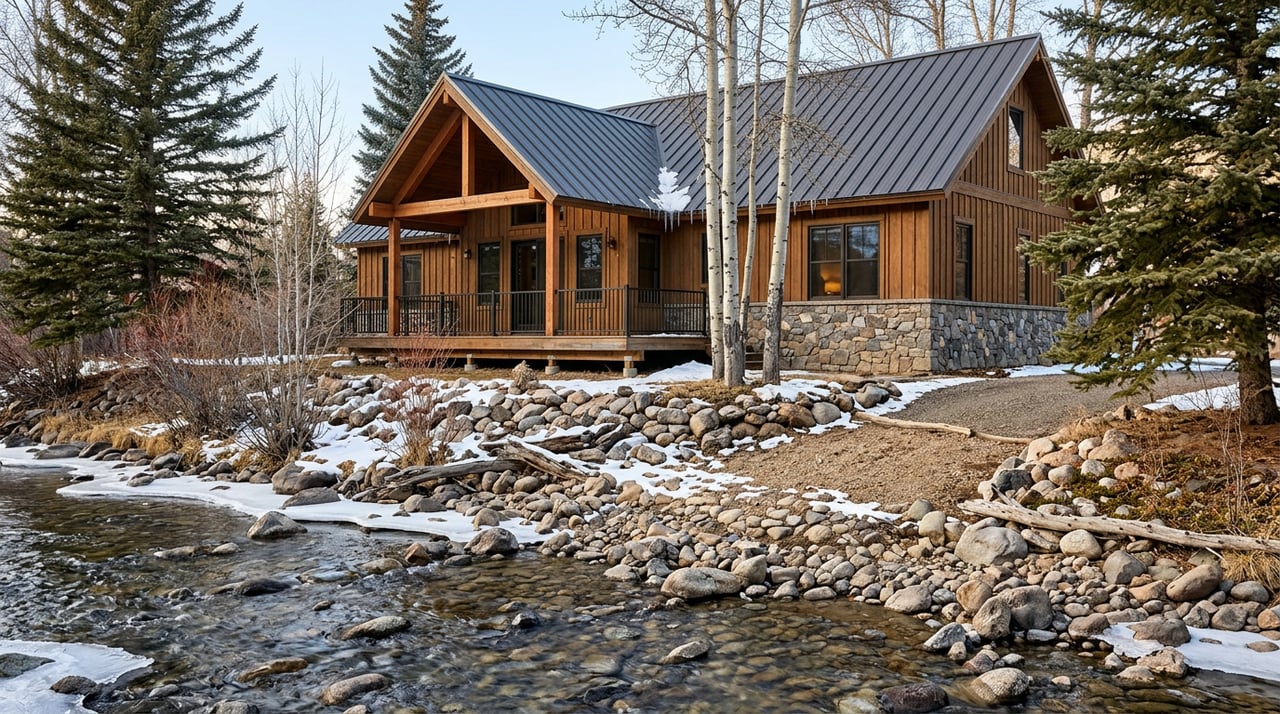
- River cottages and in-valley homes. Think cozy footprints near the river corridor and smaller lots or modest acreage. These often prioritize views into the canyon and quick access to fishing or boating put-ins.
- 5 to 20 acre homesites. On Wilson Mesa and nearby ranch subdivisions, you’ll find buildable tracts that balance privacy and space with manageable upkeep. Many buyers design a primary or second home here to capture big-sky views and easy access into Telluride.
- Large ranch and Dallas Divide estates. Multi-tens to hundreds of acres with long views, habitat and room for guest structures or ag uses. These properties often highlight wells, backup power and self-sufficiency features.
What to expect in listings:
- Water and sewer. Private wells and septic systems are common. Confirm well yield, permits and septic status during due diligence.
- Power and heat. Propane or natural gas are typical, with many homes marketing backup generators or solar arrays for winter reliability. Some high-end properties blend on-grid and off-grid features.
- Zoning and associations. Zoning can range from residential to agricultural depending on the parcel. HOA rules vary by subdivision. Treat each property as unique, and check county records and title for any historic mining claims, mineral reservations or easements.
Practical buyer checklist
Use this checklist to guide your due diligence:
- Mail and addresses. Placerville’s 81430 ZIP is largely PO-box based. Confirm how you’ll receive mail and packages, and set up your box in advance. See ZIP details for 81430 on Zip-Codes.com.
- Water, septic and wells. Verify well logs and yield tests, current septic permits and any recent inspections. Your contract should include time for a professional evaluation and county records check.
- Flood and environmental risk. The San Miguel River has had high-flow events. If a parcel sits near the river or on lower benches, pull FEMA maps early. Start with the FEMA Flood Map Service Center and follow up with San Miguel County.
- Road access and winter logistics. Confirm county road maintenance, private road agreements and driveway plowing responsibilities. Winter storms and chain laws can affect regional travel. For context on seasonal closures, see this CDOT notice about Red Mountain Pass.
- Healthcare access. For primary and emergency care, residents often use Telluride Regional Medical Center. Explore services on the Telluride Regional Medical Center site. Larger hospital systems are in Montrose.
- Connectivity. River valleys and canyons can have spotty cell service in places. If remote work matters, test on site and ask neighbors which providers perform best. Trip reports in the region, like this nearby campground note, often mention variable coverage along the river. See an example on The Camping Nerd’s Caddis Flats writeup.
- Transit options. If you plan to use regional transit, check the SMART bus schedule for Placerville and map stop locations relative to your home.
- Title, mineral and water rights. Given the area’s mining history, request a title commitment early. Clarify any mineral reservations, historic claims, ditch rights or easements before you go hard on earnest money.
Quick facts to ground your search
- Population: 362 (2020 census)
- Elevation: roughly 7,300 to 7,400 feet
- ZIP code: 81430, primarily PO boxes
- Drive times: about 20 to 30 minutes to Telluride, 30 to 40 minutes to Ridgway
- Airport: Telluride Regional Airport is about 12 miles from Placerville
Source context for these details: Placerville, Colorado overview.
Is Placerville the right fit for you
Choose Placerville if you want a quieter, small-town base with quick access to Telluride’s dining, culture and ski scene. You can keep a relaxed daily pace by the river, then plug into the resort world when you wish. If you value acreage, privacy and big views without being far from services, it checks a lot of boxes.
Before you buy, be clear on your priorities. Do you need reliable commute times and year-round access on a county-maintained road, or are you seeking a more off-grid retreat with backup systems? Will you use SMART transit, or do you prefer to drive? Are you building from scratch, or do you want a turnkey home with generator and well systems already dialed in?
If you want a partner who knows these parcels, utilities and road networks at a neighborhood level, connect with a broker who works the San Juan corridor every day and can manage a remote transaction with white-glove care.
Ready to explore opportunities on the ground and online, with clear next steps and concierge coordination? Reach out to Amanda F Swain to discuss your goals and explore current inventory.