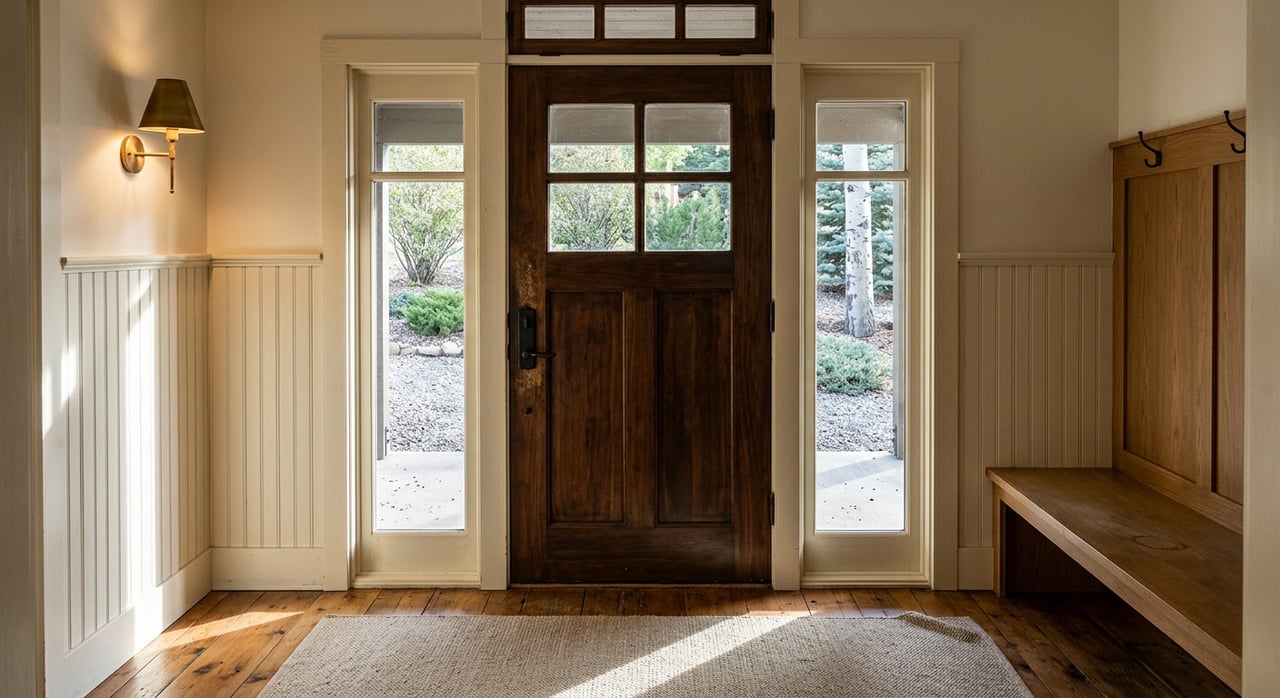
If you own a historic home in Ouray, you may be asking a smart question: how do you make it appealing to today’s buyers without stripping away the features that make it special? That balance matters in a town where historic buildings are part of the setting buyers come to see. With the right prep, you can protect your home’s character, avoid common listing mistakes, and present it in a way that feels both well cared for and move-in ready.
Why historic character matters in Ouray
Ouray’s historic homes are not just older properties. They are part of the city’s visible identity. The National Historic District was listed in 1983 and includes the commercial and residential core of a historic mining community, with 331 buildings dating largely from the late 19th and early 20th centuries.
The City of Ouray’s 2021 Community Plan says those historic buildings and storefronts are central to community character and pride. That matters when you sell. Many buyers are drawn to the feeling of authenticity, craftsmanship, and place that a historic Ouray home can offer.
In-town housing is also often described as turn-of-the-century homes that have usually been remodeled to provide modern conveniences. That gives you a useful target as a seller. Buyers often want comfort and function, but they also want the home to still feel like Ouray.
Start with zoning and overlay status
Before you make upgrades or market future potential, confirm whether your property falls within a local historic overlay. Ouray’s land-use materials show local overlay districts intended to protect historic character, and the city zoning map identifies both a Local & National Historic District and a Commercial Historic District.
This step is important because a National Register listing alone does not automatically restrict a private owner in the same way local rules can. In practice, the bigger question is whether the parcel is within a local overlay and what current city code allows for items such as setbacks, floor area, frontage, or use.
That means you should be careful about how you describe expansion potential in your listing. If you have not verified what is allowed, avoid making assumptions about additions or visible exterior changes. Clear, accurate information builds buyer trust and helps prevent issues later in the transaction.
Focus on repairs before big remodels
One of the biggest mistakes sellers make with historic homes is over-renovating before the home hits the market. When original materials and details are removed too quickly, the property can lose the very features that make it stand out.
A better approach is usually to fix safety, maintenance, and comfort issues first. Then preserve visible historic materials where possible so buyers can still see the home’s age, workmanship, and stewardship.
For many Ouray homes, that means repair rather than replace whenever you can. If replacement is unavoidable, new work should match the original in design, color, texture, and other visual qualities as closely as possible.
Prioritize low-visibility functional improvements
Not every pre-listing dollar needs to go into cosmetic updates. In a historic home, practical improvements that improve comfort and reduce deferred maintenance often do more for buyer confidence.
Good examples include addressing drainage issues, repairing flashing, cleaning up gutter problems, and correcting worn or failing paint where needed. These are the kinds of items buyers and inspectors notice, and they help your home feel responsibly maintained.
This strategy also aligns well with preservation guidance that supports improving function without erasing period character. In simple terms, you want the home to live well today while still looking like itself.
Handle windows with care
Windows are one of the clearest examples of where sellers can go too far. It is easy to assume older windows must be replaced for comfort or energy savings, but that is not always the best move.
National Park Service guidance recommends inspecting historic windows early and repairing them before replacing them. Caulking, weatherstripping, and storm windows can often improve performance while preserving original sash and frame materials.
That can be a strong selling point. When original windows remain in place and function well, they help preserve the home’s look and tell buyers the property has been updated thoughtfully rather than stripped down.
Address lead-based paint requirements early
If your Ouray home was built before 1978, lead-based paint rules should be part of your pre-listing plan. Sellers must disclose any known information about lead-based paint hazards before contract. This is one area where preparation matters. If you already have documentation, you can provide it clearly and avoid scrambling during contract.
If you plan any renovation work that disturbs painted surfaces before listing, use firms that follow required lead-safe work practices. That is especially important in older homes where painted trim, siding, windows, or porch elements may be part of the property’s historic fabric.
Test for radon before listing
Radon is another issue worth addressing early in Colorado. The Colorado Department of Public Health and Environment says radon is the second leading cause of lung cancer and is found at elevated levels in one out of every two Colorado homes. Its guidance says all homes should be tested.
For sellers, a pre-listing radon test can reduce uncertainty. It gives you time to understand the result and decide whether any next steps are needed before a buyer raises the issue.
This can be especially helpful in a market where remote and second-home buyers often value clear documentation and a smoother transaction process. The more you can answer up front, the stronger your presentation tends to be.
Gather documentation buyers will want
Historic homes often come with a longer story, and buyers usually appreciate records that help explain it. Before listing, gather permits, receipts, contractor names, and any prior inspection reports tied to major work.
If you have repaired windows, restored trim, updated drainage, or completed other preservation-minded improvements, keep those records organized. Buyers often respond well when they can see not only what was done, but how carefully it was done.
This kind of preparation also supports pricing and marketing. A home with documented stewardship often feels more trustworthy than one with visible charm but no paper trail.
Build a practical pre-listing checklist
A simple checklist can help you stay focused on the updates that matter most.
- Confirm whether your parcel is inside the Local & National Historic District or Commercial Historic District on the official zoning map.
- Gather permits, receipts, contractor names, and prior inspection reports for major work.
- Order lead documentation if applicable and consider testing for radon before listing.
- Inspect windows, paint, flashing, gutters, and drainage.
- Choose repairs that preserve original materials where possible.
- If exterior or paint-disturbing work is planned, use contractors familiar with historic materials and lead-safe requirements.
Market the home’s stewardship story
Once your home is ready, your marketing should do more than list features. It should show buyers that the property has been cared for with intention.
That may mean highlighting preserved trim, porch details, repaired original windows, or thoughtful updates that improved comfort without changing the home’s core character. In a place like Ouray, buyers often respond to homes that feel both authentic and usable.
This is especially true for out-of-area and second-home buyers, who may be drawn to the setting and architecture but want confidence that the property has been responsibly maintained. A clear presentation, strong documentation, and thoughtful positioning can help your home stand out for the right reasons.
Preparing a historic Ouray home for today’s buyers is rarely about making it look new. It is about making it feel cared for, functional, and true to its roots. If you are thinking about selling and want a tailored plan for positioning your property, Amanda F Swain can help you present it with the local insight, strategy, and concierge-level support it deserves.