Are you looking for a mountain home that feels peaceful in every season, not just during peak vacation months? Loghill Village offers that rare mix of open space, year-round access, and a quieter residential setting that appeals to both full-time residents and second-home owners. If you are considering seasonal living here, it helps to understand how the setting, climate, road access, and ownership rules shape daily life. Let’s dive in.
Why Loghill Village Feels Different
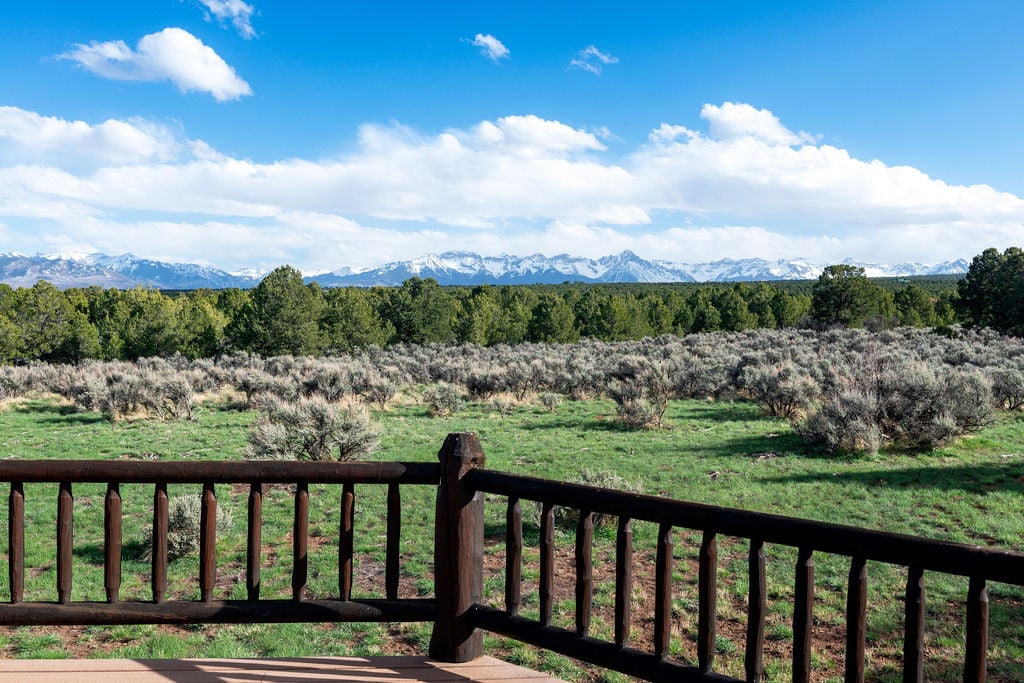
Loghill Village sits on Log Hill Mesa in unincorporated Ouray County, where the county’s long-range planning emphasizes rural character, open space, and low-density development. That planning approach helps preserve the scenic, spacious feel that draws many buyers to the mesa in the first place. If you want a retreat that feels removed from busier in-town settings, this context matters.
The area was one of the county’s major subdivision zones built between the 1960s and 1980s, but growth there has slowed in recent years. Today, Loghill Village is best understood as a large-lot residential community with a custom-home feel rather than compact subdivision living. That can be especially appealing if you value privacy, views, and breathing room.
Large Lots and Open Space
One of Loghill Village’s biggest advantages is scale. County materials describe lots ranging from about one acre to more than ten acres, which creates a more spread-out living pattern than many mountain communities. For buyers seeking a true retreat, that larger-lot setting supports a sense of calm and separation.
The Loghill Village Park & Recreation District also manages 488 acres of open space, along with 10 miles of trails, parking areas, and the Inspiration Point pavilion. The trails are open to everyone, although wheeled vehicles are not allowed. For many owners, that nearby trail network adds easy access to outdoor time without leaving the mesa.
What Seasonal Living Looks Like
Seasonal living in Loghill Village is less about one standout season and more about how the property works year-round. Because there is no official weather station in Loghill itself, nearby Ridgway is the best public climate reference. That gives you a useful baseline when planning for part-time use or year-round occupancy.
At roughly 7,881 feet, conditions can shift quickly, and mountain living always calls for some flexibility. The upside is that each season offers a different rhythm. The practical side is that homeownership here comes with planning, maintenance, and parcel-specific due diligence.
Winter in Loghill Village
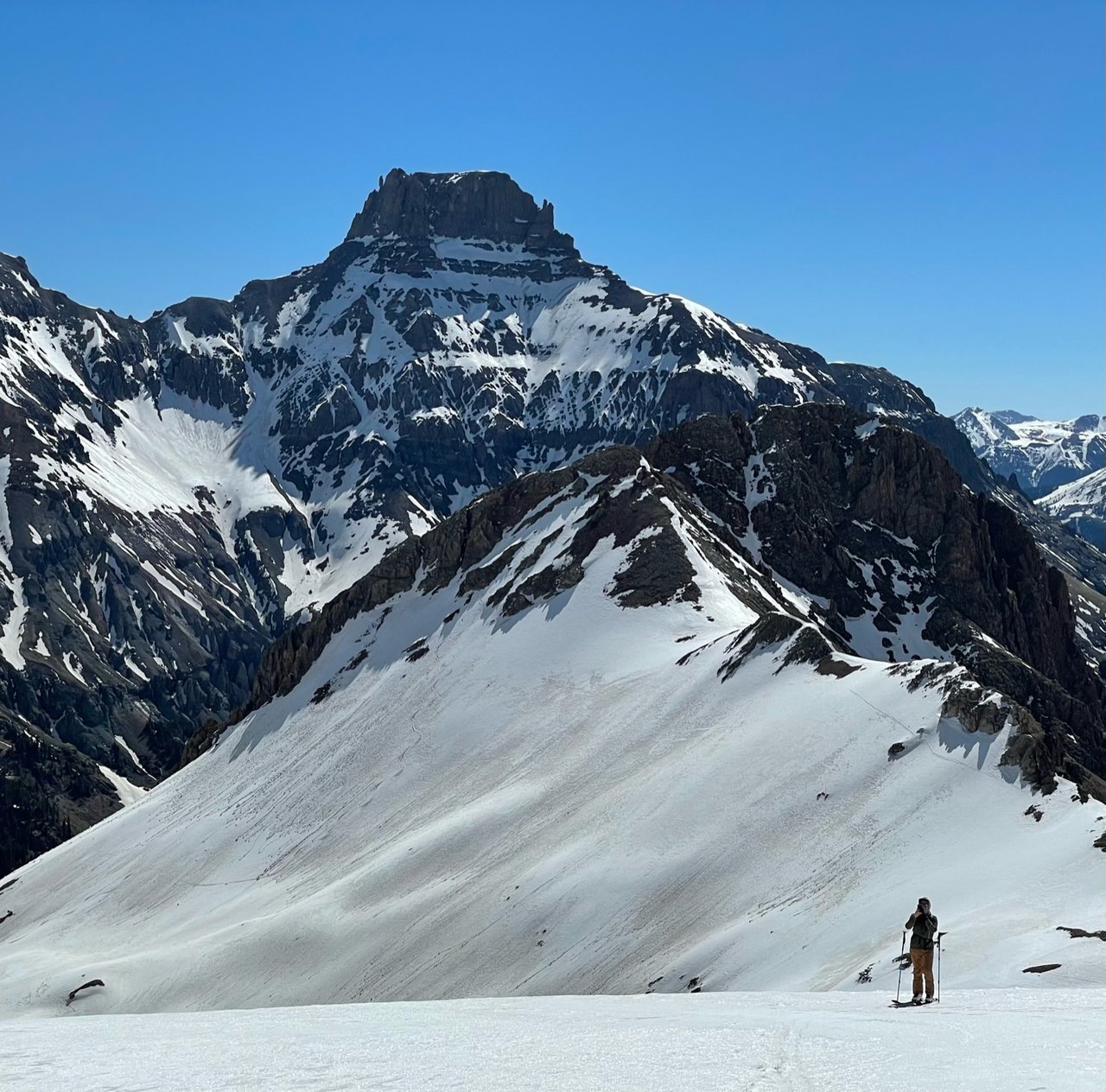
Winter is a real part of life on Log Hill Mesa. Ridgway’s NOAA normals show average January highs and lows of about 40.3°F and 6.5°F, with 13.6 inches of snowfall in January, and snowy conditions continuing through February and March. If you want a winter retreat, Loghill can absolutely fit that vision, but snow management should be part of your plan.
Ouray County’s road department maintains more than 300 miles of roads and plows county roads, including highly traveled dirt and gravel roads on Log Hill Mesa. That supports year-round access, which is a major plus for both full-time owners and second-home buyers. Still, your exact experience can vary based on the road segment serving your home and the specifics of your driveway.
For remote owners, winter readiness often comes down to logistics. You may want to think through snow removal, access during storms, and how often the property should be checked when you are away. In a mountain market, those practical details can shape how effortless a second home really feels.
Spring and Fall Shoulder Seasons
Spring and fall often appeal to buyers who want quiet enjoyment outside the busiest travel periods. Ridgway averages about 58.8°F and 26.2°F in April, 69.7°F and 33.6°F in May, 75.8°F and 36.2°F in September, and 63.9°F and 25.7°F in October. These are comfortable seasons for trail use, property check-ins, and extended stays.
Shoulder seasons are also useful for maintenance planning. If you own part-time, these months can be ideal for reviewing landscaping, outdoor systems, and overall property condition before summer or winter arrives. In mountain settings, a little preparation during the milder months can make the rest of the year easier.
Summer on the Mesa
Summer brings the warmest weather, with Ridgway averages of about 81.3°F and 39.4°F in June, 85.4°F and 46.3°F in July, and 82.3°F and 44.6°F in August. While the broader county draws visitors for outdoor recreation, Loghill Village tends to retain a more spacious and residential feel because of its open-space pattern and lot sizes. That balance can be attractive if you want access to the region without feeling in the middle of seasonal crowds.
For second-home owners, summer is often the easiest season for longer stays, hosting, and enjoying outdoor living. Large lots, open skies, and the surrounding landscape are part of the lifestyle draw. If you are comparing mountain communities, Loghill often stands out for how quiet it feels even during the busier months.
Ownership Rules Matter Here
Loghill Village has a formal HOA and recorded covenants that address design review, landscaping, lighting, and other property-use restrictions. In practice, that often supports a quieter and more consistent residential environment. It also means you should never assume that a rule applies the same way across every parcel.
Some areas are limited to single-family residential use, and covenant language can vary by unit. Buyers should review the recorded plat and covenants for the exact parcel they are considering. That step is especially important if you are buying from out of town and want clarity before closing.
What Buyers Should Review
Recorded covenants in Loghill Village include several practical requirements and restrictions that can affect day-to-day ownership. These details are part of what gives the community its orderly, mountain-residential character.
Before you buy, it is wise to review items such as:
- County-approved sewage system requirements
- Access and utility easements
- Snow removal responsibilities tied to easements
- Weed control responsibilities
- Limits on lawn size
- Encouragement of xeriscaping and native vegetation
- Dark-sky lighting standards
For many buyers, these are not drawbacks. They are part of owning in a place that values natural landscape and a low-impact visual character. The key is knowing the rules in advance so your expectations match the property.
Animals, Outdoor Use, and Parcel Differences
Some covenants allow horses and llamas on larger lots with Architectural Control Committee approval, and the number of animals is tied to acreage. That means certain low-key rural uses may be possible, but only on qualifying parcels and only within the applicable rules. If this is important to you, parcel-level review is essential.
The same goes for outdoor use standards. Open burning is prohibited because of fire danger, while gas grills are allowed under county outdoor-burning rules. Safe outdoor storage is also emphasized in the covenant language, which reflects the practical realities of mountain living.
Wildfire Readiness Is Essential
Wildfire planning is one of the most important ownership considerations in Loghill Village. Ouray County identifies wildfire as one of its top risks and places Log Hill Mesa and the Ridgway vicinity among the county’s highest-risk wildfire areas. If you are considering a home here, preparedness should be part of your purchase decision from day one.
County mitigation materials emphasize ignition-resistant roofs and siding, defensible space, and compliance with Section 16 wildfire regulations. For full-time owners, this affects ongoing maintenance and home-improvement planning. For part-time owners, it adds another reason to have a clear care plan for the property when you are away.
Local fire protection is community-based. The Log Hill Volunteer Fire Department operates two stations, including Station 2 in Log Hill Village, and the county recognizes Log Hill Fire District as one of its three fire districts. That local presence matters, but it does not replace the need for homeowner readiness.
Access for Full-Time or Part-Time Living
One reason Loghill Village works for seasonal use is that access is generally manageable. County land-use materials note that Log Hill Mesa can be reached by paved County Road 1 from Highway 62 on the south or by the unpaved northern approach from Highway 550. That gives owners more than one regional route, although your day-to-day experience will still depend on the exact location of the home.
If you are buying from outside the region, travel logistics also matter. Montrose Regional Airport serves as the area’s commercial airport, which can make a second home in Loghill more practical for fly-in owners. For remote buyers, that convenience can make a meaningful difference in how often you use the property.
Can You Rent a Home Seasonally?
If you plan to rent out the home when you are away, do not assume that every property can be used that way automatically. In unincorporated Ouray County, short-term rentals require a permit, permits are capped, and county lodging-district taxes apply. That means rental plans should be researched early in your buying process.
This is another area where parcel-specific and county-specific due diligence matters. A home may work beautifully as a private retreat, but not every ownership goal lines up with current regulations. If rental flexibility is part of your decision, it should be reviewed before you commit.
Is Loghill Village Right for You?
Loghill Village tends to fit buyers who want big views, quiet surroundings, and a structured mountain setting with year-round access. It is a strong match if you appreciate custom homes, acreage, open space, and a more residential atmosphere than a high-service suburban environment. It can also work well for remote and second-home buyers who are comfortable planning ahead for weather, wildfire mitigation, and covenant compliance.
The best way to evaluate Loghill is to look beyond the scenery and understand the practical side of ownership. When you match the right parcel with your lifestyle goals, seasonal living here can feel both peaceful and sustainable in every part of the year.
If you are exploring Loghill Village or comparing mountain properties across Ridgway, Ouray, and the surrounding corridor, Amanda F Swain offers the local insight and concierge-level guidance to help you evaluate each opportunity with clarity.
FAQs
What is seasonal living in Loghill Village like during winter?
- Winter in Loghill Village can be very livable, but you should plan for snow, cold temperatures, and ongoing access considerations tied to your road segment and driveway.
What types of properties are common in Loghill Village?
- Loghill Village is typically defined by large-lot residential properties, custom homes, acreage, and buildable parcels rather than compact subdivision-style housing.
What ownership rules should buyers review in Loghill Village?
- Buyers should review the exact parcel’s plat, HOA documents, and recorded covenants for rules related to design review, landscaping, lighting, sewage systems, easements, and property use.
Can a Loghill Village home work as a part-time retreat?
- Yes, Loghill Village can work well as a part-time home, especially for buyers who plan for snow management, wildfire mitigation, and ongoing property care.
Can you use a Loghill Village property as a short-term rental?
- Possibly, but in unincorporated Ouray County a short-term rental permit is required, permits are capped, and county rules apply.
Why do buyers choose Loghill Village over busier mountain areas?
- Many buyers are drawn to Loghill Village for its open space, larger lots, quieter residential feel, and year-round mountain setting.