If you live or plan to buy on Log Hill, water is part of the lifestyle equation. High elevation, a shorter growing season, and recent drought make smart use essential for comfort and cost control. In this guide, you’ll learn how Dallas Creek Water Company service works in Loghill Village, what to watch during dry years, and practical steps to cut use indoors and outdoors. Let’s dive in.
Know your water provider
Dallas Creek Water Company at a glance
Dallas Creek Water Company (DCWC) treats and delivers domestic water to Loghill Village using Dallas Creek as its source. DCWC is a privately owned, PUC‑regulated utility that posts tariffs, Consumer Confidence Reports, and notices on its site. You can review current rates and filings on the DCWC tariff and rate pages.
Rates, bills, and water quality
DCWC updated its rates after a 2022 filing and Public Utilities Commission decision. If you want specifics for your meter size and usage, check the utility’s general information and customer resources, where it also links to annual Consumer Confidence Reports. Reviewing these documents helps you plan around fixed charges, per‑gallon costs, and seasonal notices.
Local climate and drought context
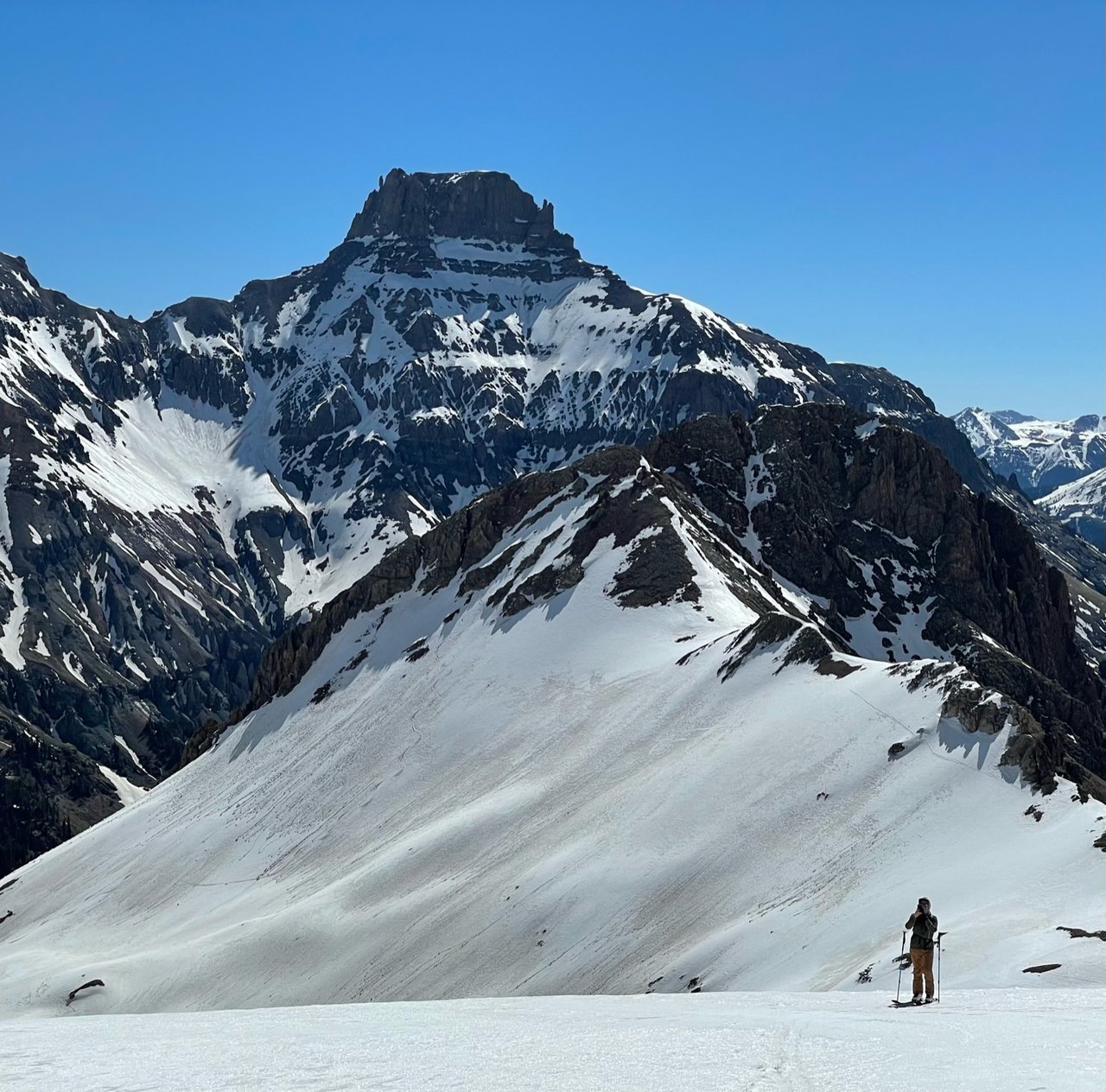
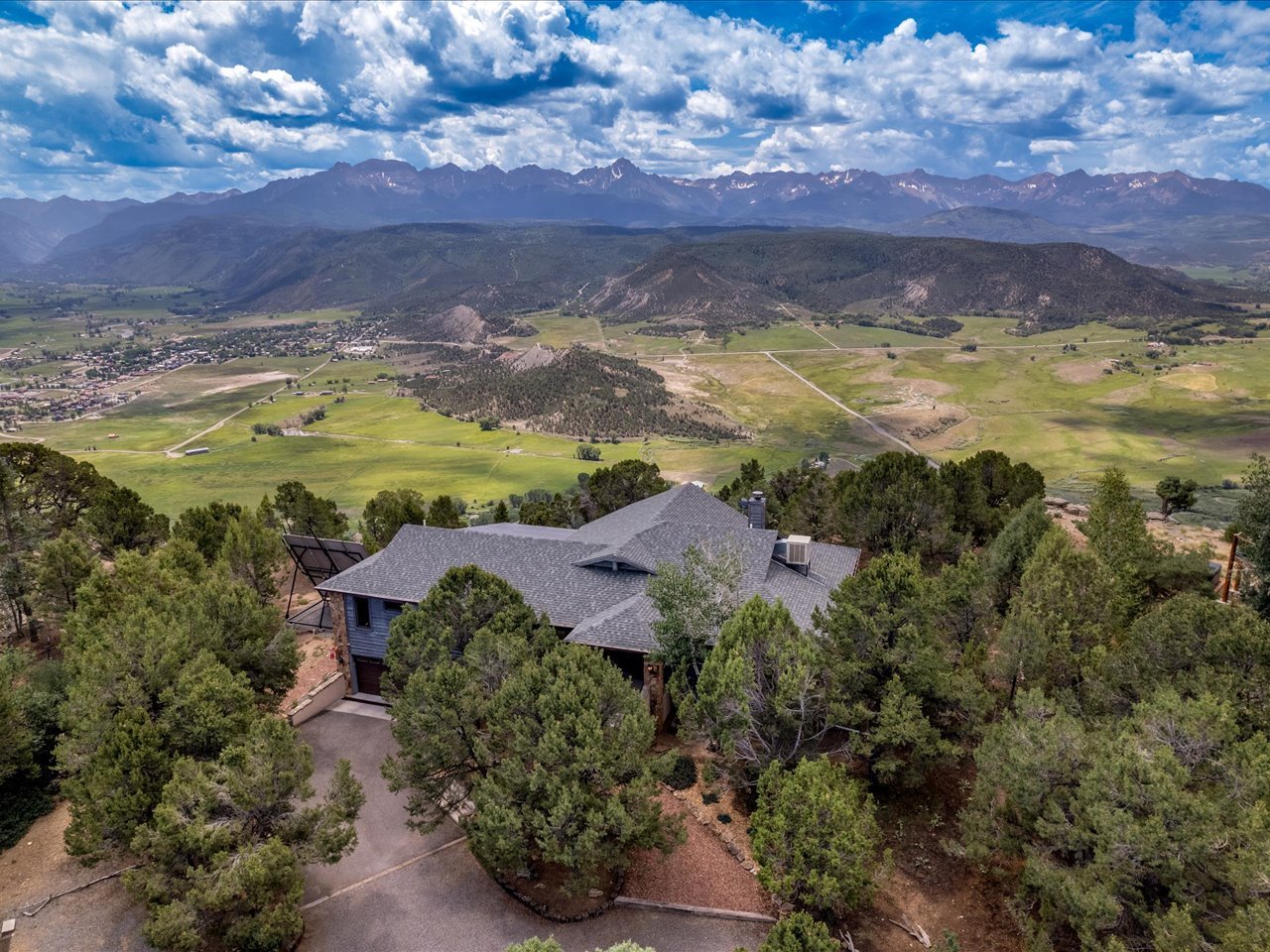
Loghill Village sits around 7,760 to 7,800 feet in elevation, which means strong sun, low humidity, and a shorter growing season that influences irrigation timing and plant choices. See a concise overview on the Loghill Village page. Ouray County has faced recent drought periods, so staying alert to county and utility advisories is wise. You can track county notices, including drought updates, on the Ouray County alerts page. For source‑water protection context, local partners developed a Dallas Creek protection plan highlighted by the Uncompahgre Watershed Partnership.
Indoor savings that add up
Upgrade key fixtures and appliances
Swap older toilets, showerheads, and faucets for EPA WaterSense‑labeled models. WaterSense estimates a bathroom package of efficient fixtures can save nearly 10,000 gallons per household per year, and WaterSense showerheads alone can save up to about 2,700 gallons annually. You can explore savings tips and resources through EPA WaterSense.
Find and fix leaks fast
A running toilet or silent leak can waste thousands of gallons each year. Do a quick meter test: note the reading, avoid using water for 1 to 2 hours, then check for movement. Repair any leaks you find and monitor your next bill for a drop. The WaterSense guidance offers easy at‑home checks.
Build simple daily habits
Run full loads in the dishwasher and washing machine, install faucet aerators, and shorten showers when you can. These small steps reduce both water and energy use, which can matter more in a system with fixed and volumetric charges.
Outdoor strategies for Log Hill
Reduce lawn and rethink zones
Outdoor irrigation is often the largest discretionary use at home. Reducing turf, grouping plants by water needs, and designing with drought‑tolerant choices can cut demand significantly. For a practical overview of indoor and outdoor savings, see this guide from Water Education Colorado.
Choose plants that fit the mesa
Native and regionally proven plants do well in strong sun and cool nights at ~7,700 to 7,900 feet. Follow the seven xeriscape principles: plan and hydro‑zone, improve soils where appropriate, irrigate efficiently, select the right plants, mulch, limit turf, and maintain wisely. This Colorado‑focused primer from Middle Park Conservation District is a helpful start: water‑wise landscaping during drought.
Use smart irrigation
Convert spray zones to drip where it makes sense and replace fixed schedules with a smart, weather‑based controller. Water before sunrise to reduce evaporation, cycle‑soak on slopes to prevent runoff, and start later in spring while shutting down earlier in fall. Track your meter after changes to confirm savings.
Winterize before the first hard freeze
At this elevation, irrigation lines and backflow devices need timely winterization to avoid breaks and costly repairs. Aim for late September to October, adjusting for the forecast. Draining or blowing out lines and protecting backflow assemblies are key steps.
Know the rules on rainwater and graywater
Colorado allows up to two residential rain barrels with a combined capacity of 110 gallons for qualifying homes. Larger rooftop collection or graywater reuse follows specific state rules and local adoption. Review the state’s program page and FAQs before you install any system: Colorado Division of Water Resources on rainwater and graywater.
Why conservation pays here
DCWC rate context
DCWC’s 2022 rate action increased fixed and volumetric charges compared with prior years. That means using less water can have a clear payoff on your bill, especially outdoors. Always reference the current DCWC tariff and rate pages to understand how savings translate for your meter.
Quick wins checklist
- Fix running toilets and dripping faucets.
- Swap in WaterSense showerheads and faucet aerators.
- Cut sprinkler runtimes and convert key beds to drip.
- Delay irrigation start in spring and shut off early in fall.
- Add mulch around plants to hold moisture.
- Consider two rain barrels within state limits for garden use.
Next steps for Log Hill homeowners
- Review your latest DCWC bill and skim the current tariff and CCR so you know your fixed charges and per‑gallon rates.
- Tackle one indoor upgrade and one outdoor change this month. Start with the highest use zone or the oldest fixture.
- Keep an eye on county drought updates and any DCWC advisories after major storms or runoff.
If you are planning a move on Log Hill Mesa, efficient, well‑maintained water systems can make your property easier to own and easier to sell. For tailored advice on which improvements add value in today’s market, connect with Amanda F Swain for local guidance and concierge‑level real estate support.
FAQs
Who provides water service in Loghill Village?
- Dallas Creek Water Company treats and delivers domestic water to Loghill Village and posts rates, CCRs, and notices on its site.
How does drought affect Log Hill homeowners?
- Drought can reduce streamflows and increase the need for conservation, and county notices may encourage seasonal cutbacks or awareness.
What indoor upgrades save the most water?
- Replacing older toilets, showerheads, and faucets with WaterSense models and fixing leaks typically delivers the biggest, fastest indoor savings.
What are the rules for rain barrels in Colorado?
- Most single‑family and small multi‑family homes can use up to two rain barrels with a total of 110 gallons, used outdoors and maintained per state guidance.
When should I winterize irrigation on Log Hill?
- Plan to winterize in late September to October depending on the forecast, and protect backflow devices to prevent freeze damage.